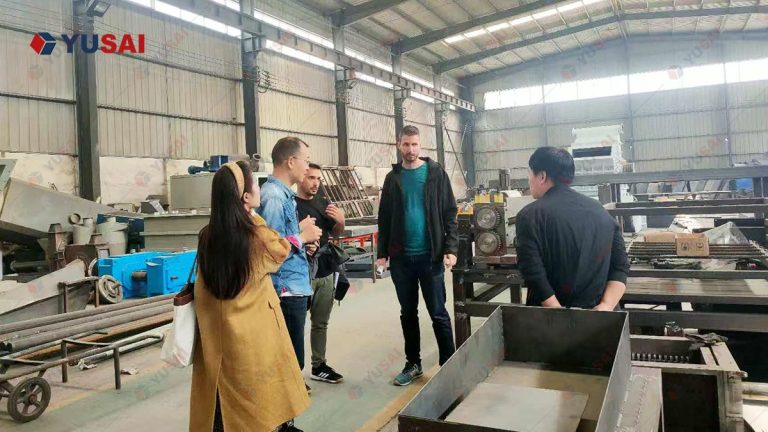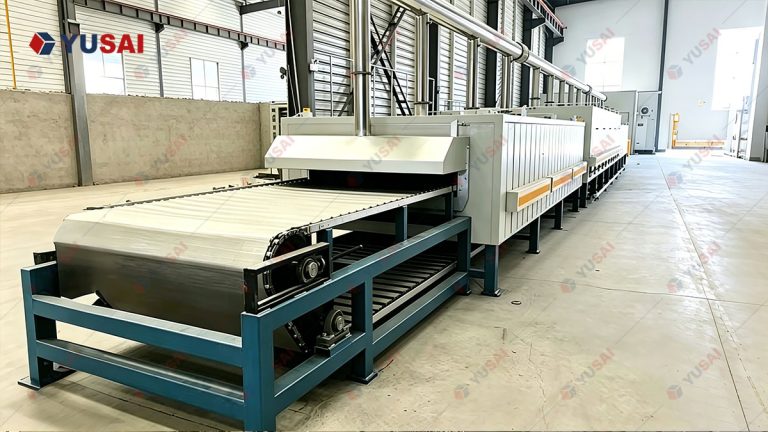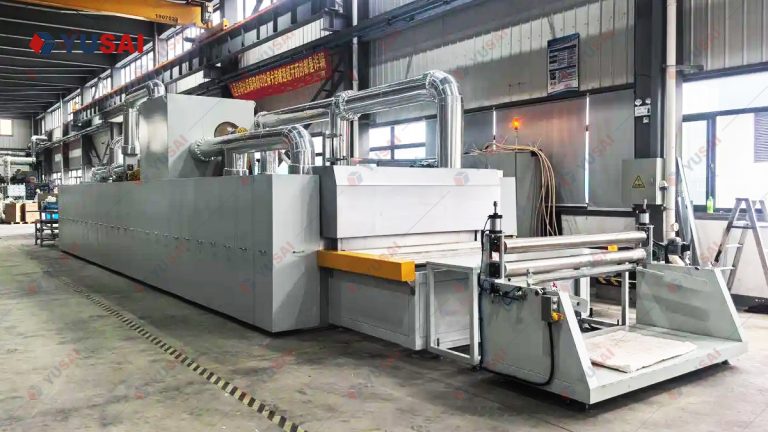
The surge in photovoltaic (PV) installations in China is creating an equally massive market for decommissioning.
Data from the National Energy Administration shows that by the end of 2024, the cumulative installed capacity of solar power generation nationwide had reached 886 million kilowatts. According to the industry cycle, some early-installed modules are approaching the end of their 20-30 year service life. Coupled with the replacement needs brought about by technological iterations and damage to PV modules caused by extreme weather disasters (super typhoons, torrential rains), a wave of PV module decommissioning has arrived.
Strengthening the recycling and utilization of waste PV modules is of great significance for reducing environmental pollution and promoting the high-quality development of the new energy industry.
The waste module market is worth hundreds of billions of yuan; efficient module separation is key.
The International Renewable Energy Agency predicts that from 2025 onwards, my country will enter a period of rapid growth in the amount of decommissioned modules, reaching 1.5 million tons by 2030.
“Photovoltaic modules contain various materials with high recycling value, such as silicon, silver, copper, and aluminum, but also contain harmful substances like lead and fluorine. If not properly handled, these harmful substances will seep into the soil and water sources, causing serious pollution to the ecological environment and harming animals, plants, and human health. However, if they can be recycled and disposed of in a standardized manner, these discarded modules will become valuable ‘urban mines.'”
According to forecast data from the Photovoltaic Recycling Industry Development Cooperation Center of the China Green Supply Chain Alliance Photovoltaic Committee, the value of this “mine” is clearly illustrated: Based on current market recycling prices, a rough estimate suggests that under a conventional decommissioning scenario, the cumulative market size in 2030, 2040, and 2050 will reach approximately 6.6 billion yuan, 80 billion yuan, and a staggering 340 billion yuan, respectively. If we consider the earlier decommissioning due to accelerated technological iteration, the market space in 2050 may even exceed 420 billion yuan. It can be said that a trillion-yuan-level industry track has already begun.
However, behind this huge market lie complex technological challenges. It is understood that a standard crystalline silicon module is a “high-strength composite” of tempered glass, EVA film, solar cells, backsheet, and aluminum frame.
An industry insider told reporters, “The original design intent of photovoltaic modules was to ensure stable outdoor power generation for over 25 years. For example, it aims to prevent aging, oxidation, and UV damage, while maintaining a certain level of strength throughout its decades-long lifespan. However, this robust characteristic also presents challenges for subsequent recycling.”
Reporters contacted several photovoltaic module dismantling companies and learned that the separation of EVA film during the dismantling process is a crucial step in the recycling of photovoltaic modules.
The weight of the EVA film in a photovoltaic module depends on the type and size of the module, as well as the thickness of the film. For example, in early 60 or 72-pane single-glass photovoltaic panels, the EVA film accounted for approximately 6% of the weight of each panel. Although this percentage is not high, the cumulative amount of recycled EVA film is considerable as the volume of waste photovoltaic modules gradually increases.
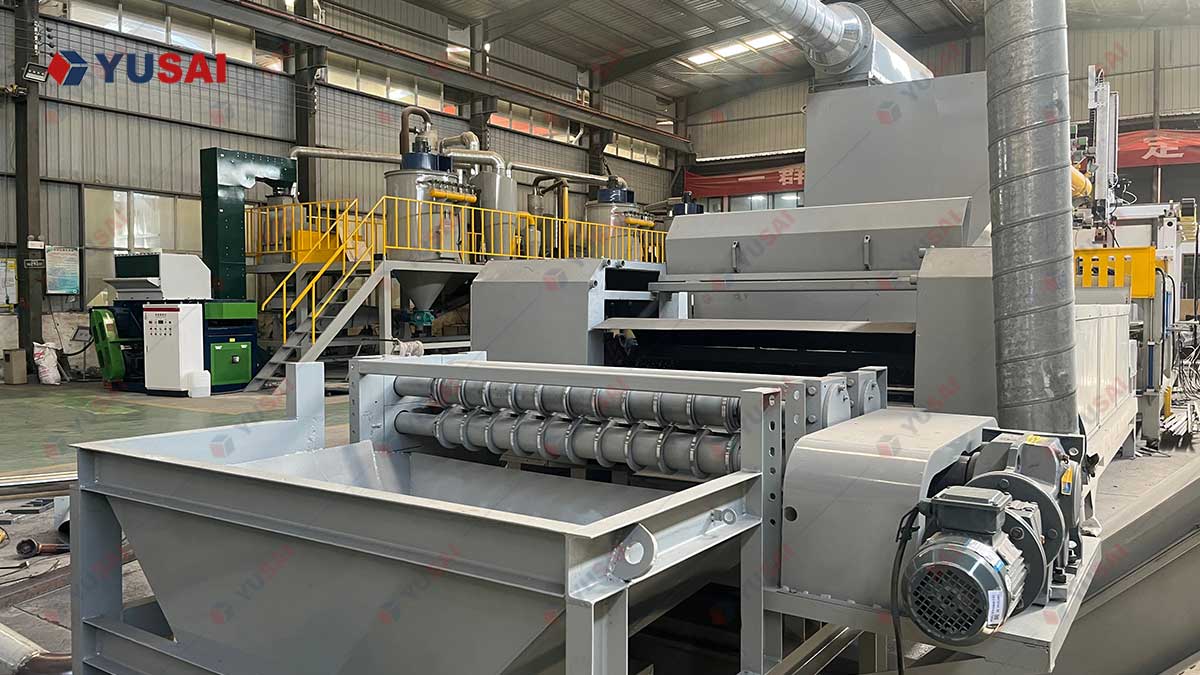
EVA film, as explained, is the adhesive used to bond glass panels and solar cells. Through high-temperature lamination, it has cross-linked and cured, firmly adhering to the glass and solar cells. Traditional methods make it extremely difficult to separate; forcibly breaking it physically leaves behind a large amount of film fragments, severely impacting the purity and value of subsequent materials.
The value of the separated EVA film is not high. After recycling, it can be used to make elastic materials, such as shoe sole cushioning materials, foam, and packaging materials. After multiple recycling cycles, it can be sent to waste-to-energy plants for incineration. This utilization method aligns with the requirements of a circular economy.
Therefore, overcoming this key technology of separation has become a core focus of enterprise research and development.
my country has explored and accumulated technical experience, possessing the capability to process waste photovoltaic panels in line with or even lead internationally.
Currently, the industry has gradually formed three major technical routes through exploration: physical methods, chemical methods, and pyrolysis methods. Physical methods, mainly based on crushing and sorting, are low-cost and fast, but have limited material purity. Pyrolysis methods, through high-temperature decomposition of the adhesive film, can achieve efficient recovery of silicon and precious metals, but have high energy consumption and environmental protection requirements. Chemical methods can accurately extract high-purity materials, but face the challenge of waste liquid treatment.
Against this backdrop, many companies have begun specific explorations and practices. Most companies choose a combination of multiple technical routes for dismantling and disposing of waste photovoltaic panels.
For example, China Resources Recycling Group has developed the world’s first full-color photovoltaic functional material production line. This 10,000-ton-capacity decommissioned photovoltaic module dismantling production line uses a technology combining organic solvent physical dissolution and precise heat treatment, capable of dismantling a decommissioned photovoltaic panel into seven types of recycled materials per minute, including photovoltaic glass, aluminum alloy frames, and copper wire welding strips.
State Power Investment Corporation (SPIC) has built the nation’s first 30MW module recycling pilot line, employing a comprehensive recycling process combining physical methods, pyrolysis, and chemical purification. The recovery rate of intact modules exceeds 94%, and the overall recovery rate of both intact and broken modules reaches 92.23%.
Private enterprises are also actively promoting technological innovation. One company has effectively overcome the challenge of separating EVA film using a combination of physical and wet processes. Zhang Maozhi, the company’s deputy general manager, stated, “While achieving a comprehensive material recovery rate exceeding 95% and a metal recovery rate exceeding 99%, we can control processing costs to 200-400 yuan/ton, which is 40%-60% lower than the industry average.”
Meanwhile, some companies are focusing on the in-depth development of physical technologies. Our independently developed “high-pressure jet grinding media layer-by-layer separation technology” relies entirely on physical principles to achieve non-destructive, high-purity material separation. According to relevant personnel, the processing time for a single module is only 5 minutes, more than three times the efficiency of traditional physical methods. The recovered glass has a purity exceeding 99% and can be directly reused. The company has already made technological preparations for the construction of large-scale production lines.