With the arrival of the domestic photovoltaic (PV) recycling market, the term “PV recycling” is becoming increasingly popular, attracting growing industry attention and foreshadowing the formation of a new industrial chain. Why have discarded PV modules become a key focus for PV manufacturing and solid waste treatment companies? Besides the national emphasis on the circular economy under the “dual carbon” goal and the companies’ own social responsibility, the most important reason is that dismantling retired PV modules can generate many reusable materials. The previous article mainly introduced the dismantling process of retired modules; today’s content focuses on the technical route of dismantling.
As we know from the dismantling process in the previous article, dismantling the laminated components in crystalline silicon PV modules is a challenging step, primarily due to the debonding of the organic adhesive film (e.g., EVA). During module production, the organic adhesive film sandwiched between the cells and glass, and between the cells and the backsheet, after being melted and cured, possesses considerable adhesive strength, airtightness, and aging resistance, effectively protecting the cells from factors such as moisture in the air, thus improving the module’s outdoor stability. However, this also presents challenges for debonding after the modules are retired. Currently, the main technical approaches include physical methods, pyrolysis chemical methods, and solvent chemical methods.
1. Physical Methods
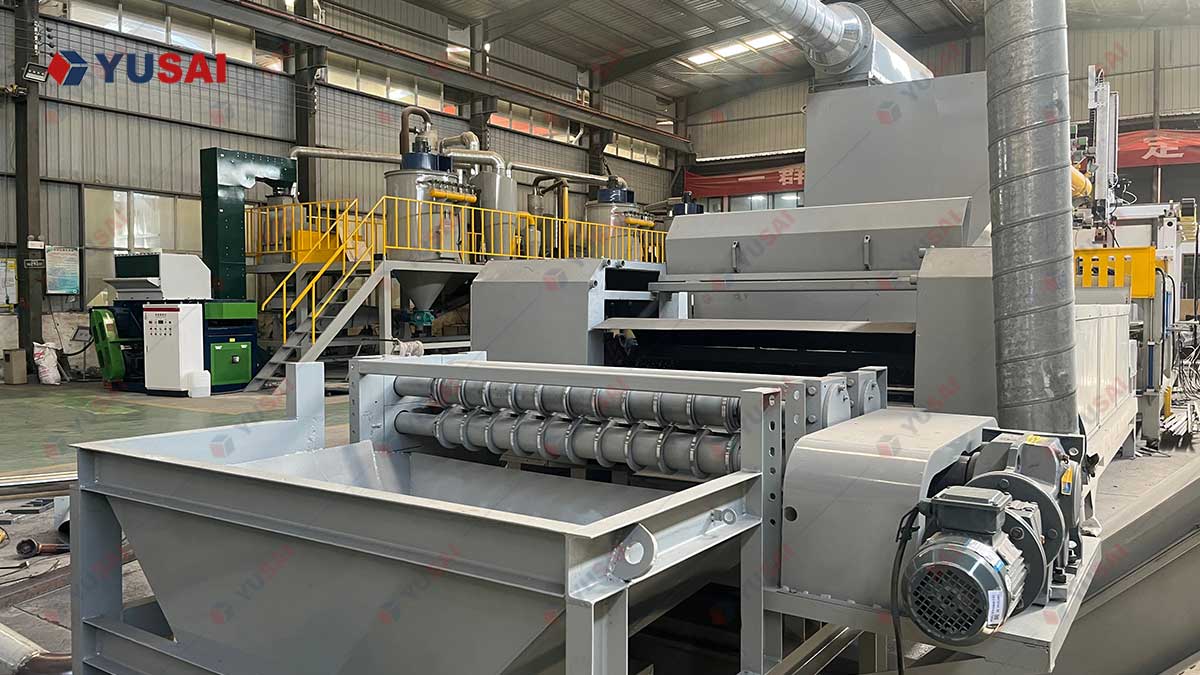
Physical methods, also known as mechanical methods, first involve mechanically dividing, crushing, and grinding the laminated component, transforming it from a large piece into a mixture of material fragments, particles, or powder. It’s important to note that due to the different properties of the components (e.g., glass, polymer materials, battery cells), the size of the crushed material will vary. Secondly, based on the resulting mixture, specific screening and separation techniques are used to separate the materials. For example, based on the different densities of the components in the mixture, a suitable liquid is selected for separation; denser components will sink, while less dense components will float, thus achieving the separation of the materials in the mixture.
2. Pyrolysis Chemical Methods
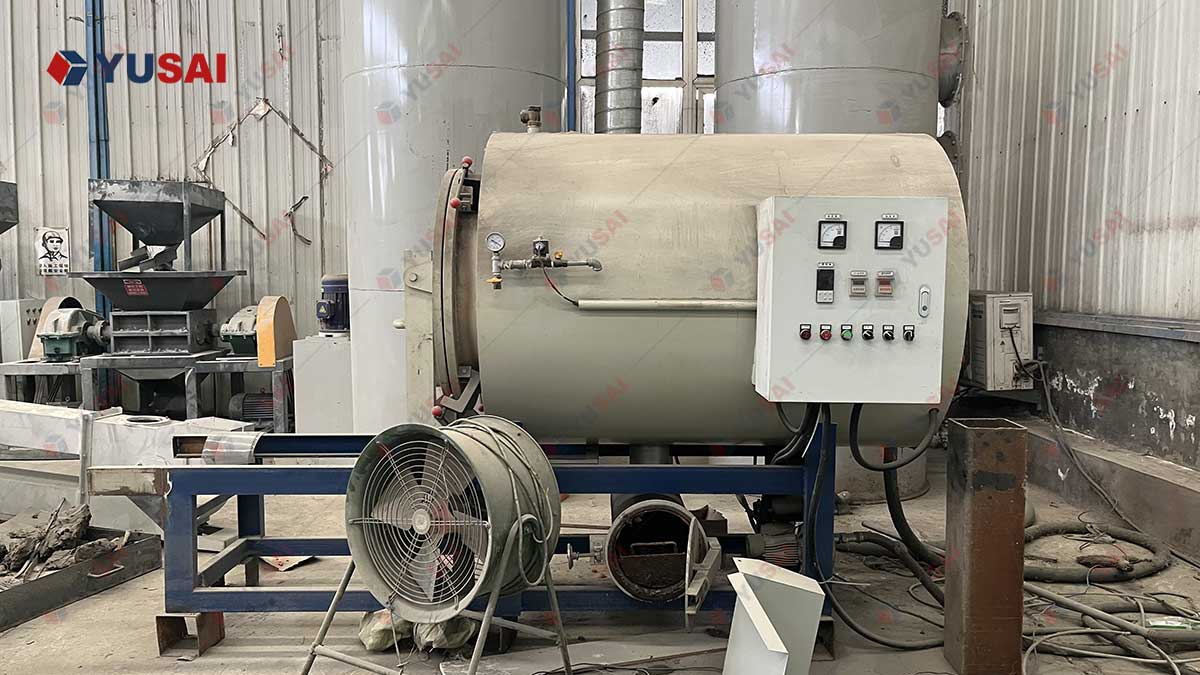
Pyrolysis chemical methods use high temperatures to gradually decompose and remove the cured organic adhesive film in the laminated component. Taking the mainstream EVA film as an example, EVA can be pyrolyzed at around 500℃ in a specific atmosphere. It is important to note that to avoid environmental pollution from the pyrolysis of fluorinated backsheets, the backsheets are generally removed before pyrolysis.
3. Solvent Chemical Method
The solvent chemical method involves immersing the photovoltaic module in organic or inorganic chemical solvents. Through a chemical reaction, the organic adhesive film dissolves or swells, breaking down the adhesion at the contact surfaces and separating it from the glass panel and solar cells. For example, commonly used chemical solvents for EVA film include trichloroethylene and toluene. Furthermore, to increase the reaction rate, post-processing crushing or the use of microwave and other auxiliary technologies can enhance the processing effect.
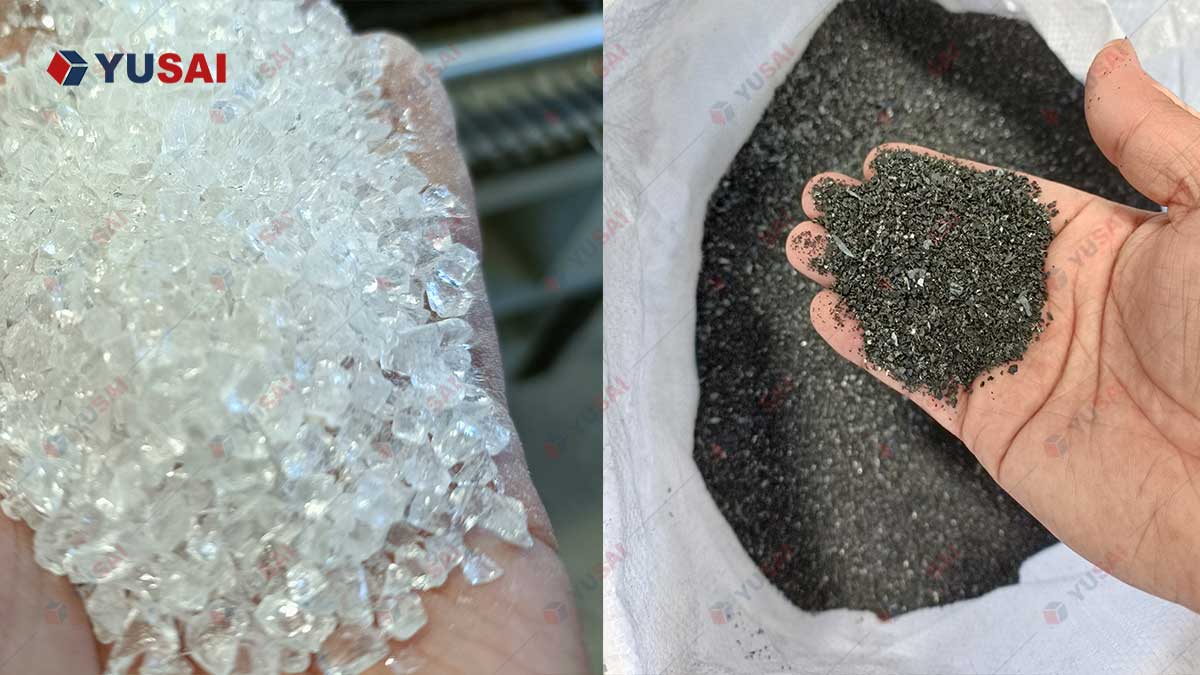
Currently, two demonstration lines for dismantling retired crystalline silicon photovoltaic modules in China, primarily using physical and pyrolysis chemical methods respectively, have been completed by Yingli and Jinko. Different technical routes have different advantages and disadvantages, and may be suitable for different types of modules in the future. To continuously improve dismantling efficiency and reduce pollution emissions during the dismantling process, it is possible to explore technical solutions that appropriately combine multiple processing routes.