— OEM ODM-SINCE 1995
Silicon Wafer Silver Stripping Machine
Raw Materials: Silicon wafers containing silver components.
Final Products: Silver (99.99% purity), silicon wafer.
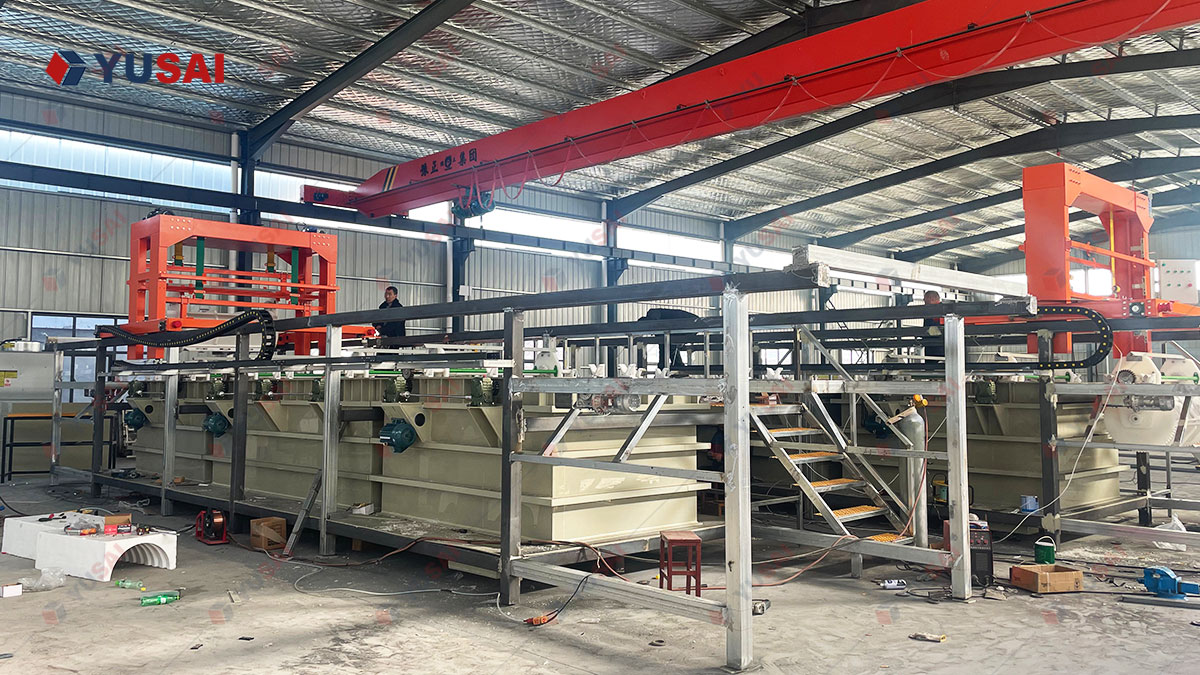
Main Part: Deposition removal unit, Reaction kettle and vacuum filtration device, Silver reduction and replacement equipment, etc.
Product Description
Silicon wafer silver removal equipment (also known as silver stripper, silver wire removal, or gold/silver wet cleaning system) is a crucial step in solar panel recycling to extract silver from silicon wafers. Our precious metal wet refining extraction process selectively dissolves and removes metallic silver through a chemical oxidation-reduction reaction without damaging the silicon wafer. Silver purity can reach up to 99.99%. Our goal is to efficiently and environmentally recover silver metal from solar panel silicon wafers to achieve resource recycling.
Silver Stripping Working Process
- Silicon Wafer Pretreatment
Classify, crush, or cut waste silicon wafers to increase the contact area for subsequent reactions. - Chemical Preparation
Sequentially add 70% water and 30% nitric acid into the chemical preparation kettle, stir for 5 minutes to mix and prepare the silver dissolving solution, which then flows into the deposition removal tank through a pipeline. - Acid Leaching and Cleaning
Place the pretreated silicon wafers into a drum and immerse them in an acidic solution for rolling immersion to dissolve the silver components, forming a silver-containing solution. After one leaching and three cleanings, unload the cleaned silicon wafers.Control the acid concentration, temperature, and immersion time to ensure adequate leaching of silver. - Collection of Silver-Containing Solution
Once the acid solution is saturated, pump it into a filter for separation of solid residues from the silver-containing solution.The clean silver-containing solution flows into a vacuum storage tank. - Silver Precipitation
Pump the clean silver-containing solution into a silver precipitation kettle, add a precipitating agent (saturated sodium chloride solution) while stirring to precipitate silver ions. Finally, check for the absence of white precipitate (remember to add in small amounts multiple times).Stir for 10 minutes, then add a rapid precipitating agent (cation), stir for 3 minutes until the water clears. The white precipitate is silver chloride. Open the valve and filter out the silver chloride, then rinse repeatedly with clean water until neutral.The precipitate is a silver-containing compound, prepared for subsequent purification. - Ammonia Leaching Purification
Pour the cleaned silver chloride into a bucket, mix 50% ammonia water and 50% water (1:1) to prepare an ammonia solution, add it to the silver chloride while stirring until completely dissolved, forming a colorless transparent solution. Let it stand and age for 30minutes.Then filter the silver-containing solution using a vacuum pump.Slowly pour hydrochloric acid into the filtered silver-containing solution (protect
against acid fumes), stir while adding in small amounts multiple times to adjust the pH to 1-1.5, causing silver chloride to settle at the bottom.Then filter and rinse the silver chloride repeatedly with clean water until neutral, and then filter out the silver chloride.Treat the waste liquid and send it to a third party for environmental disposal. - Silver Reduction
Pour the cleaned silver chloride into a reduction kettle, add a silver replacement solution (hydrazine hydrate) to cover the silver chloride by 1 cm.Then heat to a gentle boil while stirring, causing the silver chloride to form black-gray particles. After the reaction is complete and the liquid clears, rinse twice. - Silver Powder Collection
Wash and dry the reduced silver powder to obtain pure silver powder. - Smelting
Place the dried silver powder in a smelting furnace for high-temperature smelting to remove impurities and form silver ingots.
Safety and Environmental Protection Requirements
- Wear protective equipment during operations to avoid contact with acid and alkaline solutions.
- Treat waste liquid and gas according to regulations to meet environmental emission standards.
- Hazardous waste should be handled by qualified third parties.
Quality Control Points
- Control the pH value and leaching rate during the acid leaching stage.
- Monitor the completeness of precipitation during the silver precipitation stage.
- Test the purity of silver powder and silver ingots.
Record Keeping and Reporting
- Record key data such as material usage, operation time, temperature, and output for each step.
- Regularly prepare silver extraction process operation reports to optimize the process.
Technical Parameters
| Model | YS-PV-PS1000 |
| Capacity(kg/h) | 800-1000 |
| Material Recovery Rate | ≥99% |
| Dimension(m) | 20*15*4.6/M |
| Power(kw) | 385 |
| weight(ton) | 25 |

Get a free quote
If you have any requirement or suggestion, please fill in the form and send to us, thanks!
- Solar Panel Recycling Plant
- Solar Panel Pyrolysis Recycling Plant
- Solar Panel Junction Box Removing Machine
- Solar Panel Aluminum Frame Removing Machine
- Solar Panel Glass Removing Machine
- Solar Panel Pyrolysis Tunnel Furnace
- Solar Panel Crushing Sorting Equipment
- Solar Panel Pyrolysis Sorting Equipment
- Silicon Wafer Silver Stripping Machine