— OEM ODM-SINCE 1995
Solar Panel Pyrolysis Recycling Plant
Raw Materials:Waste solar panels, single-layer photovoltaic panels, double-layer photovoltaic panels, waste photovoltaic panel modules, etc.
Final Products: Glass, silicon wafers, copper, aluminum,
Main Part: solar panel junction box/aluminum frame removing machine, solar panel pyrolysis tunnel furnace, solar panel pyrolysis sorting equipment, etc.
Product Description
With the widespread application of solar panels, their service life (approximately 25 years) is nearing its end, and the recycling management of end-of-life solar panels has become a new challenge for the industry. To address this challenge, we have developed a fully automated photovoltaic module pyrolysis recycling production line. This recycling line, through the integration of intelligent automation and pyrolysis technology, can efficiently recover pure silicon, glass, and copper, achieving an industry-leading 99% material purity recovery rate. Furthermore, silicon wafers are processed using our silver extraction technology to obtain silver with a purity of 99.99%. The recycling line is designed for stable and continuous operation, suitable for large-scale processing of photovoltaic modules of various sizes and generations. It is also equipped with eco-friendly processing systems that fully comply with all environmental standards.

Main Components Of Solar Panels
Tempered Glass (70-75%): The protective front layer, usually high-transmittance tempered glass.
Aluminum Frame (10-15%): Provides structural integrity.
Silicon Cells (3-5%): The core components that convert sunlight into electricity.
EVA Film (0-1%): Ethyene Mny Acetate or Poyolein Elastomer sheets that encapsulate and pratectthe sllcon cells.
Copper & Silver (<1%): Precious metals used in conductive strips and contacts.
Backsheet(2-3%): The rear protective layer.
Junction Box: The electrical output and connection point.
Advantages and recycling value of solar panel pyrolysis
The core of solar panel pyrolysis is to process photovoltaic modules in a high-temperature environment. This process decomposes internal organic binders, plastic layers, and other composite materials, releasing high-value raw materials such as silicon wafers, glass, and aluminum frames. The upgraded automated recycling production line achieves intelligent continuous operation, maximizing efficiency and recycling purity. After pyrolysis, the purity of the recycled materials can reach 99%, requiring almost no complex sorting processes. This not only reduces labor and energy consumption but also significantly simplifies subsequent processing. Compared to traditional mechanical crushing or chemical leaching methods, pyrolysis offers several advantages: 1. High integrity and high recovery rate: Maintains the physical morphology and structural integrity of crystalline silicon wafers and ultra-white glass to the greatest extent. 2. Green and zero-additive: A fully physical-thermal process, requiring no chemical reagents, eliminating secondary wastewater pollution at the source. 3. Automated control system (PLC/SCADA): Continuously monitors temperature, gas emissions, and energy consumption to ensure the stability and safety of the entire production line, making production more controllable and reliable. Meanwhile, integrated waste gas purification and emission systems (such as activated carbon adsorption and scrubbing towers) effectively treat gases generated during high-temperature decomposition, fully complying with environmental standards.
This is not merely a technological solution, but a key driver of sustainable development in the photovoltaic industry. For investors, equipment upgrades mean higher processing capacity and better material recycling purity, resulting in higher economic returns. Although the initial investment is relatively large, the increasing number of waste photovoltaic modules is driving sustained market demand for recyclable materials such as high-purity silicon wafers, recycled glass, and aluminum. This trend will significantly shorten the investment payback period. Furthermore, by adopting advanced recycling equipment, companies can not only enhance their competitiveness but also establish a positive social image under increasingly stringent environmental policies.
Solar Panel Pyrolysis Recycling Plant Working Process
The solar panel pyrolysis recycling system employs a fully automated workflow to process waste photovoltaic modules. First, a robot feeds the modules, then intelligently removes the junction boxes and aluminum frames. Its core patented pyrolysis technology decomposes EVA and backsheet materials under low-oxygen or anaerobic conditions, effectively releasing the internal components. Subsequent multi-stage physical separation precisely sorts silicon wafers, glass, metals, and other materials into independent output streams, achieving high recycling efficiency and stable continuous operation, suitable for large-scale photovoltaic module recycling.
Part 1: Fully Automated Robotic Feeding System
A Fully automated industrial robots are used to pick up and feed waste photovoltaic (PV) modules into the system.
Part 2: Junction Box Removal
A fully automated solar panel junction box removal machine equipped with optical sensing and visual recognition systems to precisely locate and automatically remove junction boxes.
Part 3: Aluminum Frame Removal
A fully automated solar panel aluminum frame removal machine efficiently detaches the aluminum frames from the PV modules.
Part 4: High-Temperature Pyrolysis Separation
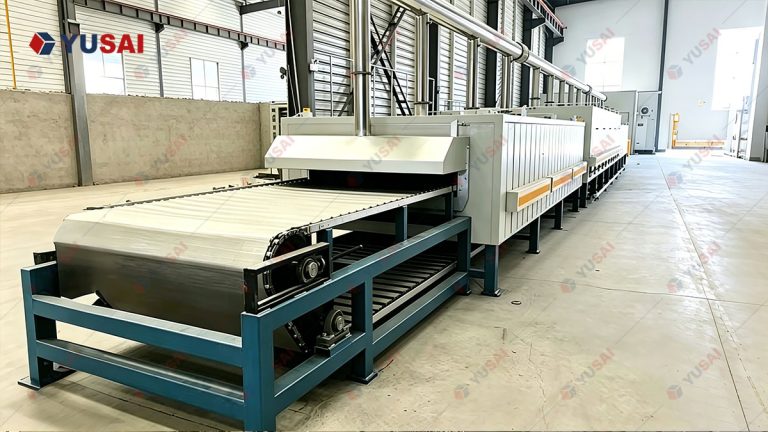
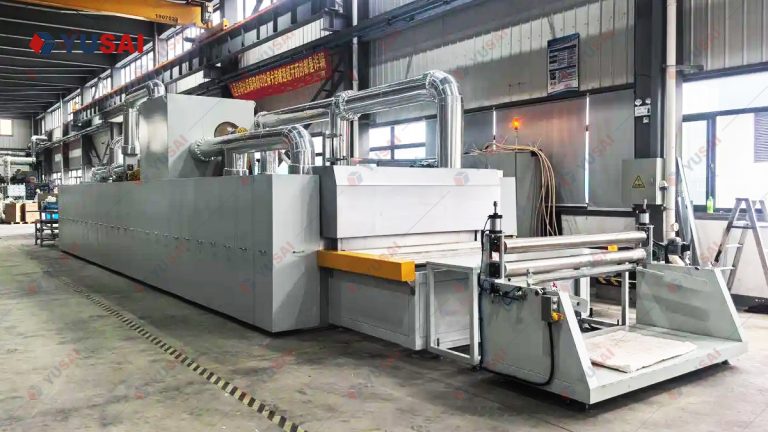
Pre-treated PV modules are fed into a specialized solar panel pyrolysis tunnel furnace. The patented pyrolysis process operates under low-oxygen or oxygen-free conditions, completely decomposing the EVA encapsulant and backsheet materials.
Part 5: Multi-Stage Separation System
Using our proprietary solar panel pyrolysis sorting equipment, the material discharged from the furnace undergoes physical vibration and drum sorting to first separate large pieces of clean glass. Subsequently, air classifiers and electrostatic separators are used to precisely separate silicon wafers, copper ribbons (solder strips), and precious metals like silver based on density differences.
Part 6: Silver Extraction from Silicon Wafers
A silver stripping machine is used to extract silver (at 99.99% purity) from the silicon wafers.

Final Products: Junction box, aluminum frame, glass, silicon wafer, copper wire, silver
Solar Panel Pyrolysis Recycling Plant Features & Advantages
1. Fully Automated Production Line Operation: The core advantages of fully automated pyrolysis technology lie in achieving lossless recovery, extremely high purity, high automation, and energy self-sufficiency. This significantly reduces labor costs and accelerates processing speed, thereby improving overall production efficiency.
2. Self-Recycling of Pyrolysis Gases: During the pyrolysis process, EVA film and backsheet generate combustible organic gases (such as hydrocarbons). Modern factories collect and purify these waste gases, then reintroduce them into the tunnel furnace burner as fuel.
3. Environmentally Friendly Physical Process: The entire system operates using a purely physical method, seamlessly separating the originally tightly bonded structure through the key step of “pyrolysis.”
4. Strict Control System for Exhaust Gas and Byproducts: Equipped with highly efficient flue gas purification devices (such as activated carbon adsorption, regenerative thermal oxidizer (RTO), and dust removal devices), the system rigorously captures harmful gases such as hydrogen fluoride (HF) that may be released when the backsheet is heated, ensuring compliance with environmental standards.
5. Extremely High Resource Recovery Rate and Purity (High Economic Value): Solar Cells Retain Intact: Traditional physical crushing methods mix silicon, silver, copper, and glass together, forming highly difficult-to-separate “electronic waste powder.” Pyrolysis allows for the complete separation of solar cells, facilitating subsequent targeted extraction of high-purity silver (Ag) and solar-grade silicon (Si) through fine chemical metallurgy, maximizing economic value.
6. High-Value Glass Recycling: The tempered glass obtained after pyrolysis has no EVA residue on its surface and is extremely pure. It can be directly recycled into high-transparency photovoltaic glass, avoiding the “low-value” predicament of being downgraded for use as building aggregate.
7. Truly Achieves “Zero Cross-Contamination” of Materials: Physical crushing methods easily allow fluorine in the backsheet and sulfur in the adhesive film to contaminate the metals and silicon. Pyrolysis removes organic matter through gasification, ensuring the surface cleanliness of the metals (copper, silver) and silicon materials, significantly reducing the difficulty of downstream refining and the consumption of chemical reagents.
8. Excellent energy-saving and emission-reduction benefits (carbon footprint advantage): Compared to dissolving EVA with all chemical solvents, the pyrolysis process does not generate large amounts of toxic chemical wastewater, ensuring compliance with environmental standards.
9. Powerful comprehensive throughput and adaptability: The tunnel furnace design possesses strong continuity, capable of processing crystalline silicon solar panels of different sizes, with varying power degradation levels, and even those with partially cracked surfaces. Combined with front-end pretreatment equipment, it enables 24-hour uninterrupted large-scale industrial processing.
Technical Parameters
| Model | YS-PVR-F60 |
| Motor Power | 240KW |
| Capacity | 50-60 PCS/H |
| Dimension L/W/H(m) | 108*11*5.5 |
Note:
* Operating Voltage: Standard voltage is 380 ± 10 V; custom voltages such as 415 V and 440 V are also available.
* Custom Solutions: The parameters and configurations above are for reference only. We offer customized Solar Panel Recycling Solutions and machines. Please contact us anytime to discuss your specific requirements.
FAQ'S
What is the recycling rate of the solar panel recycling plant?
The overall recycling rate can exceed 99%.
Can this equipment process both monocrystalline and polycrystalline silicon solar panels?
Yes.
What recycling methods are currently available?
We currently offer single-sided solar panel recycling lines, double-sided photovoltaic panel recycling lines, and thermal recycling/silver recovery lines for solar panels. Tailored technical solutions are provided to meet diverse customer requirements.
Does the recycling process cause secondary pollution?
No. The equipment incorporates pulse dust removal systems and air purification units, complying with stringent environmental emission standards (ISO/CE certified).
What is the plant's processing capacity (throughput)?
We offer modular configurations of 50-60 PCS/H or 1000-1500KG/H. For large-scale industrial requirements, we can provide bespoke turnkey solutions.
What is the working principle of a solar panel pyrolysis recycling plant?
The solar panel pyrolysis recycling system employs a fully automated workflow to process waste photovoltaic modules. First, robots feed the modules, then intelligently remove the junction boxes and aluminum frames. Its core patented pyrolysis technology decomposes EVA and backsheet materials at high temperatures under low-oxygen or anaerobic conditions, effectively releasing the internal components. Subsequent multi-stage physical separation precisely sorts silicon wafers, glass, metals, and other materials into independent output streams, achieving high recycling efficiency and stable continuous operation, suitable for large-scale photovoltaic module recycling.
What equipment is included in a solar panel pyrolysis recycling plant?
The solar panel pyrolysis recycling production line includes a solar panel junction box removing machine, a solar panel aluminum frame removing machine, a solar panel pyrolysis tunnel furnace, a solar panel pyrolysis sorting equipment, a silver stripping machine, a copper wire recycling machine, copper electrolysis equipment, and a precious metals refining plant.
Why choose pyrolysis technology for solar panel recycling?
This solar panel pyrolysis project solution is based on the core principles of high efficiency, environmental protection, and intelligence, aiming to build a green and circular photovoltaic recycling system. Its modular design allows for flexible expansion, adapting to factories of different sizes, suitable for both small and medium-sized recycling enterprises and large-scale industrial production needs.
Which industries can benefit from solar panel pyrolysis recycling production lines?
This solar panel pyrolysis technology offers flexibility and strong industrial scalability, making it suitable for the following typical scenarios:
1. Solar Photovoltaic Power Plant Decommissioned Module Recycling Centers: As a large number of photovoltaic power plants reach the end of their service life, transportation and disposal costs, as well as environmental compliance pressures, continue to increase. Our solar pyrolysis project can process decommissioned photovoltaic modules on-site, efficiently separating glass, aluminum frames, metals, and silicon materials. This solution not only reduces transportation and disposal costs but also enables the recycling of raw materials.
2. Solar Photovoltaic Manufacturing Enterprises: Photovoltaic module manufacturers generate a large amount of waste and defective products during the production process. By installing compact pyrolysis recycling equipment on-site, manufacturers can immediately process production waste and recycle glass, aluminum, metals, and silicon materials. This approach helps reduce raw material loss, lower carbon emissions, and drive enterprises towards green manufacturing and a circular economy.
3. New Energy Industrial Parks: By introducing the technology of this project into new energy industrial parks, the pyrolysis recycling equipment can serve as supporting infrastructure, centrally processing waste photovoltaic modules and related materials within the park. This solution can reduce environmental compliance and disposal costs for businesses within the industrial park, thereby improving the overall green development level of the park.
How much does a solar panel pyrolysis recycling plant cost?
For clients at different investment stages, we provide clear equipment recommendations based on budget, capacity requirements, and level of automation. The cost of a solar panel recycling machine typically depends on the type of raw materials, the required recycling purity, plant capacity, environmental protection measures, plant layout, level of automation, and local installation requirements.
Our Service Commitment
We will assist the customers to establish a realistic plan and make a market feasibility analysis report for them, meanwhile,we can also assist our customers to get related qualification files.
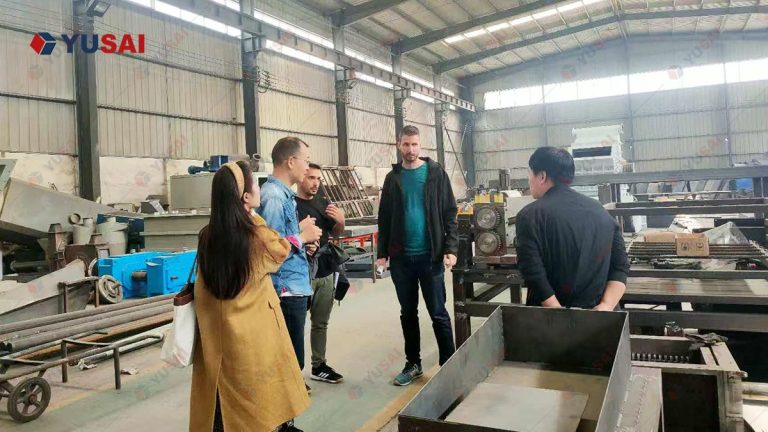
If the customer wants to visit our factory, we can arrange airport pick-up, hotel reservation and demonstration of the equipment operation for the customer. In the process of equipment production, we can also report the production progress to the customers. After completing the production, we will do a load simulation to ensure the quality of the equipment before delivery. Besides, we can assist the customers to arrange the shipping and transportation.
We will provide equipment installation and operation training for the customers, assist the customers to solve all the problems arising in the process of equipment use, and give them technical support.
We provide comprehensive after-sales warranty service and spare parts. Please contact us if you have any needs.

Get a free quote
If you have any requirement or suggestion, please fill in the form and send to us, thanks!
- Solar Panel Recycling Plant
- Solar Panel Pyrolysis Recycling Plant
- Solar Panel Junction Box Removing Machine
- Solar Panel Aluminum Frame Removing Machine
- Solar Panel Glass Removing Machine
- Solar Panel Pyrolysis Tunnel Furnace
- Solar Panel Crushing Sorting Equipment
- Solar Panel Pyrolysis Sorting Equipment
- Silicon Wafer Silver Stripping Machine