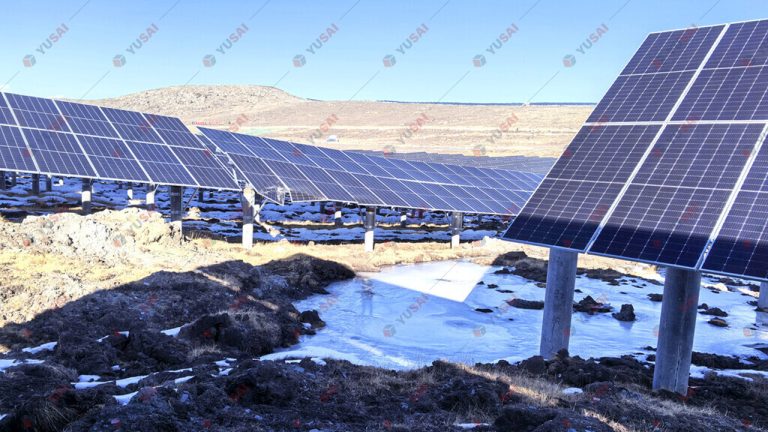
Rooftop photovoltaic (PV) systems have gained massive popularity among rural households in China. Nearly 5 million families have installed solar panels on the roofs of their self-built homes, with a total installed capacity reaching 105 GW, accounting for a considerable share of China’s overall PV capacity of 520 GW.
Shandong, Henan and Hebei are the top three provinces for distributed solar installation in China. Combined, their installed capacity makes up 60% of the national total. Many villages in Zhejiang and Jiangsu have developed into solar communities. Households benefit from the “self-consumption with surplus power fed to the grid” model: they cut electricity bills for daily use and earn extra income by selling excess power to local utilities.
Estimates show China has 27.3 billion square meters of rural rooftops suitable for PV installation, with over 80 million households having the potential to go solar, unlocking a multi-hundred-billion-yuan market.
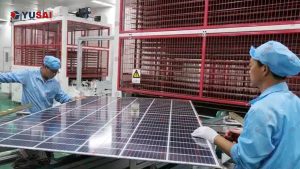
India is also aggressively rolling out residential solar power. Its fragile national grid suffers from frequent blackouts even in major cities including New Delhi, making rooftop PV a practical solution for local power shortages. In Gujarat’s solar village project, 478 out of 600 households installed solar panels, representing an adoption rate of 80%. Local flour mills and textile factories run largely on solar power and generate steady revenue. Currently, around 90% of India’s PV modules are imported from China, and residential solar deployment keeps expanding rapidly.
Despite the global solar boom, misinformation still spreads online. Rumours claim solar panels emit harmful radiation or damage buildings. In fact, properly installed and grid-connected PV modules produce no hazardous radiation and pose no health risks to residents. Real concerns lie in poor industry practices: shoddy drilling work causing roof leakage, tricky lease contracts and fraudulent solar investment schemes that hurt rural homeowners.
Solar power is clean energy, yet PV panels are not permanent assets. The typical service life of solar modules is around 25 years. The first batch of China’s rural rooftop PV systems will soon reach end-of-life. Meanwhile, massive newly-installed panels in India and other emerging markets will eventually retire, bringing a worldwide wave of decommissioned solar panels.
Waste PV modules are double-edged. If dumped, burned or landfilled casually, lead, cadmium and other toxic substances inside cells may leak into soil and groundwater, undermining the green value of solar energy. On the flip side, retired solar panels are “urban mines”. They contain recyclable glass, aluminium, silicon, silver, copper and other precious metals. With professional processing equipment, these materials can be separated, purified and reused in manufacturing, reducing reliance on virgin mineral resources and completing the circular economy loop for solar industry.
A prominent global bottleneck exists: countries race to deploy solar capacity, while standardized end-of-life treatment capacity lags far behind. Many regions still rely on manual dismantling and primitive small-scale processing, which delivers low recovery rates and high pollution risks. As environmental regulations tighten, such outdated methods will be phased out. Emerging solar markets including India, Southeast Asia and the Middle East focus heavily on PV installation but lack mature complete production lines for waste panel recycling, creating huge market demand.
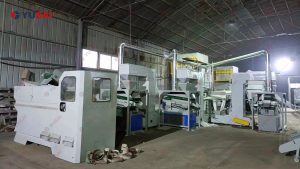
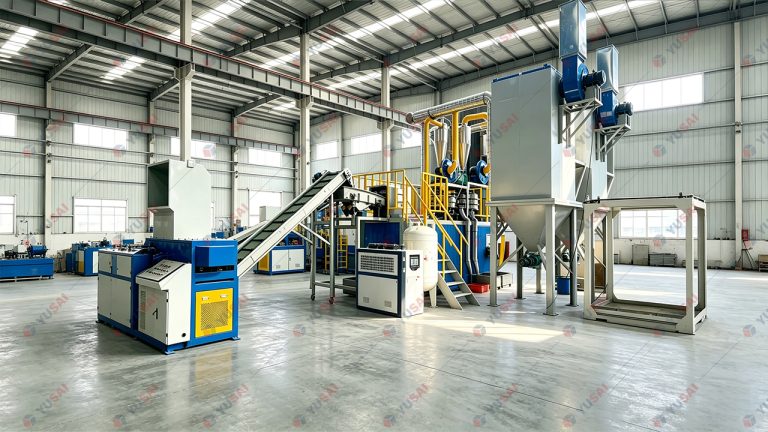
A truly sustainable solar industry requires attention not only to power generation, but also responsible recycling of retired modules. We are an international trading company specializing in waste photovoltaic panel recycling equipment. Our complete production lines perform crushing, delamination and sorting of scrapped PV panels, automatically separating glass, aluminium frames, silicon materials and precious metals. The enclosed dust removal design meets global environmental standards while maintaining high material recovery rates. Customizable capacity options support overseas project implementation. We export our equipment to India, Southeast Asia, the Middle East, Europe and other fast-growing solar regions, helping clients build compliant and efficient recycling plants to turn waste solar panels into valuable raw materials.
Rooftop solar lights up homes worldwide. The next chapter of the PV industry is green recycling. As solar panels cover rooftops across the globe, professional dismantling and recycling machinery will become essential core equipment to close the loop of renewable energy.