Recently many readers said they prefer in-depth industry analysis. The photovoltaic sector has gained strong momentum recently. Leading players such as Tongwei and Jiejia Weichuang hit daily limit-ups. After a long downturn, the PV industry is back in the spotlight.
As concluded from industry research, the PV sector has three core characteristics: high policy sensitivity, continuous technological iteration, and cost reduction & efficiency improvement as permanent themes.
Looking back, the 531 and 1102 policies in 2018 reshaped the whole industry landscape. Subsidy tapering and cutting non-technical costs keep pushing the upstream and downstream sectors to optimize profit margins. Technological upgrades including PERC and HIT cells, together with larger-size silicon wafers, continuously redistribute value across the industrial chain. Enterprises failing to keep pace with technology elimination will soon be phased out. Leading companies like LONGi, Tongwei, JA Solar, Firstar and Jiejia Weichuang consolidate market share through continuous technical upgrades and cost advantages.
Most market attention focuses on silicon material, silicon wafers, cells and module manufacturing. However, one critical segment of the full PV chain is rising rapidly: resource recovery of end-of-life PV modules.
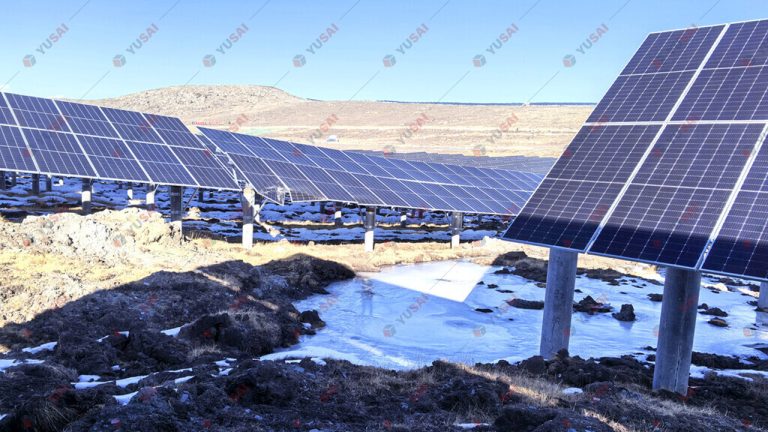
PV power stations built over a decade ago are now reaching their end of service life. A wave of retired photovoltaic panels is coming, making module recycling an essential part to close the PV industrial loop.
1. Policy Driven: PV Recycling Shifts from Optional to Mandatory
The PV industry has always been strongly affected by policies, and the recycling track is no exception. A series of national regulations have been rolled out to standardize the recycling and comprehensive utilization of waste PV modules, with clear targets for establishing the recycling system.
Simple & crude dismantling by small workshops carries high environmental risks and low material recovery rates. As policies tighten, these informal processors will be phased out. Enterprises with environmentally compliant, high-efficiency sorting production lines will seize greater market opportunities.
2. Technology Iteration: Efficient Crushing & Fine Sorting Are Core of PV Recycling
In PV manufacturing, technological upgrades boost photoelectric conversion efficiency. For recycling, the core target of technical iteration is to fully separate tempered glass, silicon material, aluminum, copper and silver ribbons from retired PV panels and recover high-purity raw materials.
A waste PV module consists of tempered glass, EVA film, silicon cells, metal ribbons, backsheet and aluminum frames. Ordinary shredders often suffer EVA film wrapping shafts and severely mixed materials, leading to low purity of recovered materials and poor economic returns.
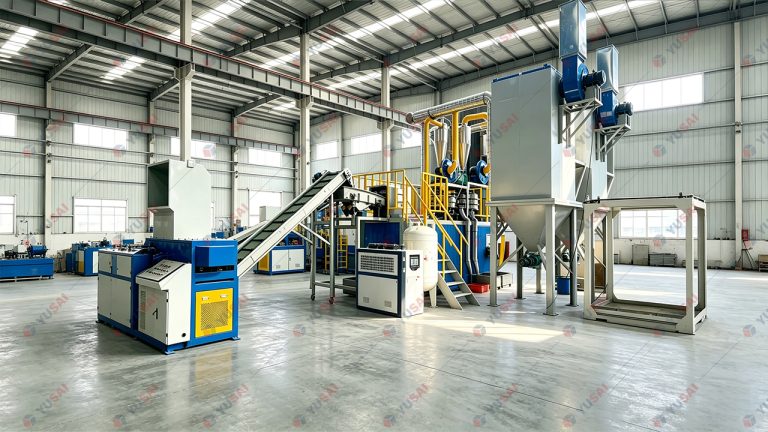
Just like PV manufacturing, recycling also competes on cost reduction and efficiency gain. Complete crushing and sorting equipment acts as the core of recycling production lines. With specialized crushing plus multi-stage sorting processes, mixed materials can be separated into glass, silicon powder, copper-tin alloy, aluminum and plastics, raising the purity of recycled materials and improving the overall profitability of recycling plants.
PV cell technologies keep evolving from old modules to PERC, large-size modules and future HIT high-efficiency panels. Therefore, crushing & sorting equipment must be highly adaptable to handle retired panels of different ages and dimensions to cope with growing waste PV feedstock in the future.
3. Supply & Demand: Rising Supply of Retired Panels and Expanding Demand for Recycled Materials
Supply side: PV modules installed in early large-scale power plants are approaching retirement year by year. The volume of end-of-life PV panels will keep growing with huge stock resources. As industry concentration rises, formal recyclers will take over most retired module resources.
Demand side: Recycled glass, metals and silicon separated from waste panels can re-enter industrial markets. Similar to lithium & cobalt logic in lithium battery industry, PV recycling taps the “urban mine”, turning scrapped panels into reusable raw materials. It complies with global low-carbon trends and brings stable commercial returns.
4. About Us — Manufacturer of Waste PV Panel Crushing & Sorting Complete Lines
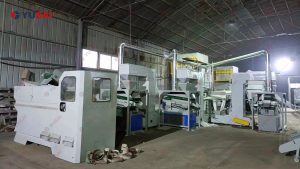
We are a professional manufacturer specializing in complete crushing, dissociation and sorting equipment for waste photovoltaic panels, focusing on PV solid waste resource recovery machinery. Our customized system for retired PV modules delivers the following strengths: ✅ Special crushing structure to solve EVA film wrapping issue for stable continuous operation ✅ Dry multi-stage sorting technology to efficiently separate glass, silicon powder, copper-tin, aluminum and plastics ✅ Compatible with old modules, large-size modules and damaged PV panels of various types ✅ Integrated dust treatment system to meet environmental compliance standards ✅ Modular production line solutions customized by hourly capacity to lower clients’ upfront investment
The main PV manufacturing sector has experienced brutal market consolidation, while PV recycling is standing at the eve of explosive growth. Manufacturers compete on cell conversion efficiency and silicon wafer technology; recyclers compete on dissociation performance, sorting purity and unit processing cost. Partners equipped with reliable processing machinery will capture dividends from the coming PV retirement wave.
PV is a long-cycle industry with periodic fluctuations and continuous technical upgrades, yet resource recycling for green economy remains a long-term megatrend.
If you are planning a PV module recycling project and looking for waste PV panel crushing & sorting line solutions, welcome to contact us for business discussion.