The recyclable components of photovoltaic (PV) modules are mainly concentrated in the laminates. Its structure resembles a “sandwich”: the core consists of silicon-based solar cells with fine silver grid lines on the surface, connected by copper-based solder strips; the top and bottom surfaces of the cells are encapsulated with a backsheet and glass; and the “sandwich” is surrounded by a frame, primarily made of aluminum, for support and protection. Effective recycling of PV modules requires advanced technology, overcoming challenges in safety and economic viability.
Physical methods separate materials through mechanical crushing and screening. The core processes include pretreatment (frame removal, laminate separation), crushing and grading (hammer crushing, vibrating screening), and fine sorting (eddy current separation, electrostatic separation). This technology costs approximately 0.3-0.5 yuan/watt and can efficiently recycle glass (70%) and aluminum frames (18%), but it suffers from high silicon wafer damage and a metal recovery rate of only about 67%. Automated physical dismantling production lines are already in operation.
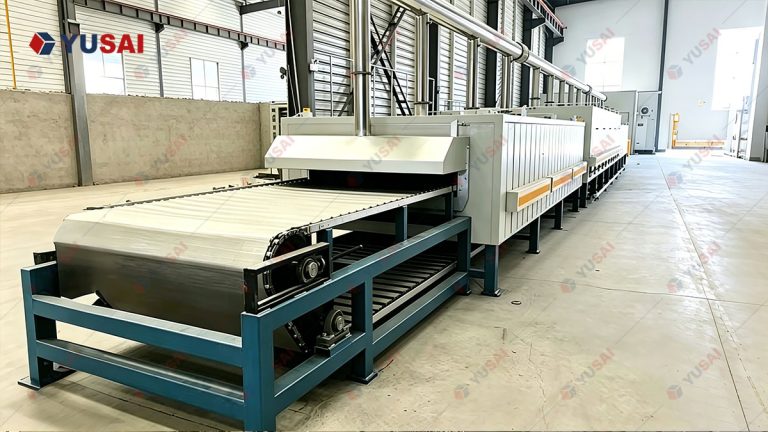
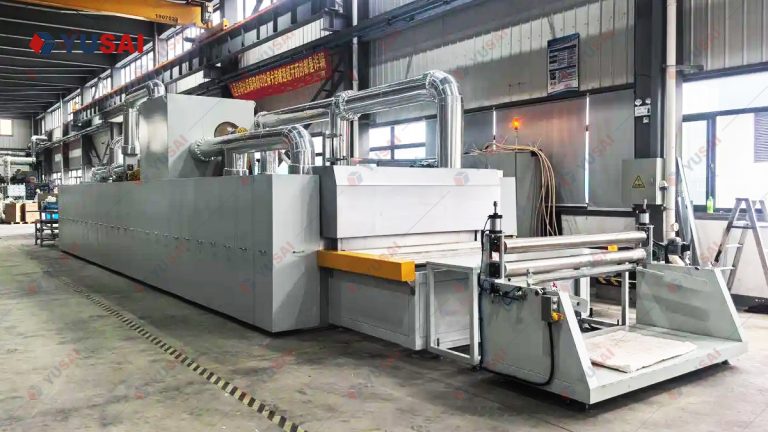
Pyrolysis chemistry decomposes organic films such as EVA at high temperatures. EVA can be pyrolyzed at around 450℃ in a specific atmosphere. This technology achieves a metal recovery rate exceeding 95%, enabling efficient recovery of silicon and precious metals. However, it has high energy consumption and environmental requirements, and fluorine-containing backsheets typically need to be removed before pyrolysis to avoid contamination. The investment and operating costs of this technology are high, exceeding 50 yuan/kW. By combining tunnel kiln pyrolysis with physical sieving, the overall resource recovery rate can reach 95%.
Solvent chemistry utilizes chemical solvents to dissolve or swell the film. Mainstream processes include organic solvent dissolution (such as trichloroethylene and 1,2-dichlorobenzene) and inorganic acid-base dissolution. This method can achieve high-purity material extraction; for example, nitric acid dissolution technology can achieve 99% lossless recovery of silicon wafers with a purity of 99.9%. However, the process generates waste liquid, posing a waste liquid treatment challenge. The processing cost of this method is high, exceeding 40 yuan/kW.
To improve recycling efficiency, reduce costs, and minimize pollution, combining physical, pyrolysis, and chemical methods (composite technology routes) is becoming an important direction for industrial development. For example, using a “physical method + wet process” or a combined “physical method + wet process” are both practices of composite technology routes.
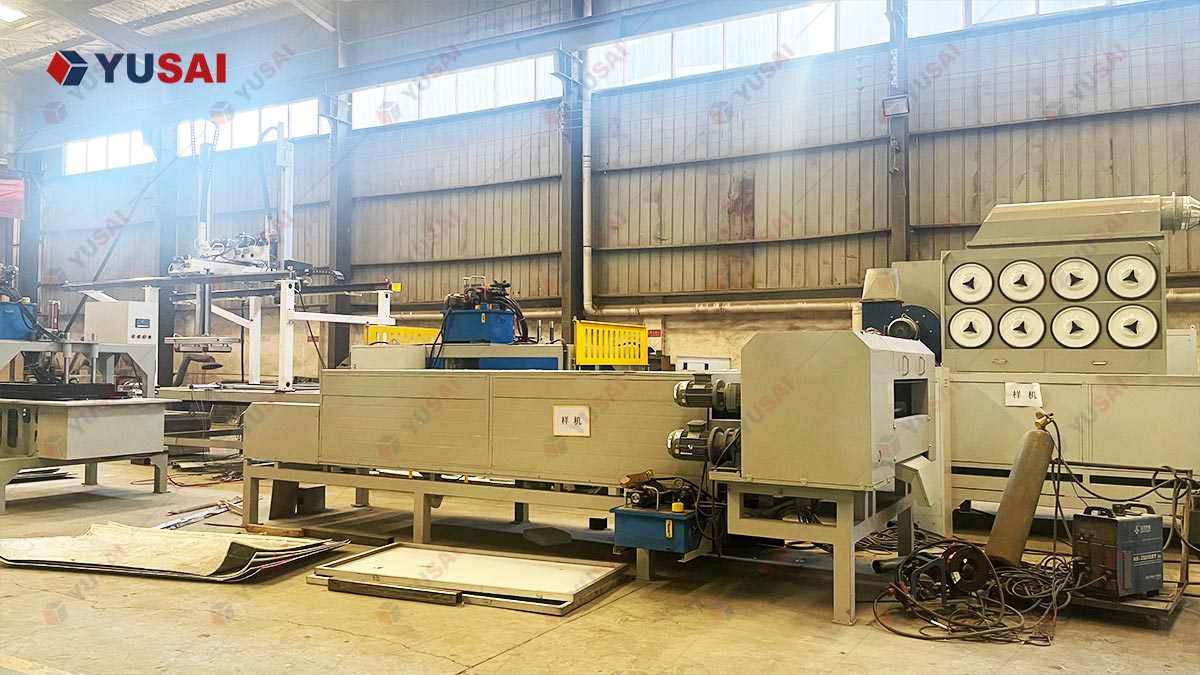
We have built a 10,000-ton-level containerized intelligent photovoltaic module recycling demonstration line. This line uses a mobile container design, with a dismantling efficiency of 60 modules per hour. The purity of the recycled aluminum frames, glass, and other products exceeds 99%, and the entire process is fully CNC-controlled and automated.
According to the latest policy guidance, by 2027, breakthroughs are needed in key technologies such as surface structure dismantling, efficient separation of laminated components, and component extraction. This indicates the core direction for recent research in photovoltaic module recycling technology.
According to the “Guiding Opinions on Promoting the Comprehensive Utilization of Photovoltaic Modules” issued by six departments including the Ministry of Industry and Information Technology in March 2026, it is clearly required that by 2027, the cumulative comprehensive utilization of photovoltaic modules should reach 250,000 tons, and a number of leading enterprises in the comprehensive utilization of waste photovoltaic modules should be cultivated. By 2030, we aim to develop a comprehensive utilization capacity for waste photovoltaic modules capable of coping with a large-scale decommissioning wave.