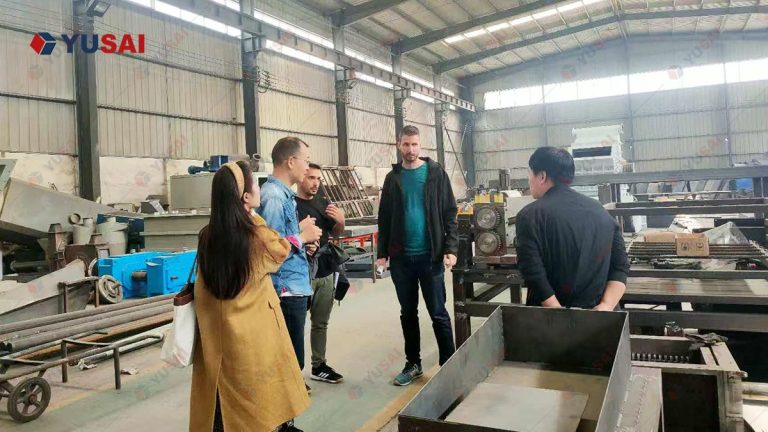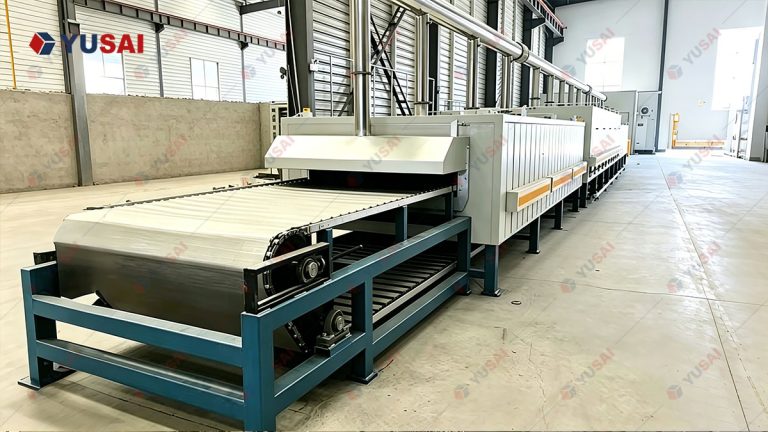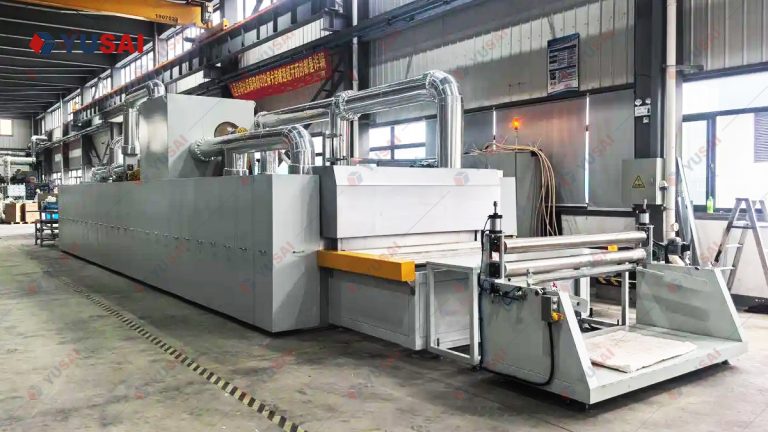
To improve recycling efficiency, combining physical and chemical methods has become an important direction for the development of the photovoltaic module recycling industry. The developed “High-Efficiency Integrated Process Technology and Domestic Equipment for Crystalline Silicon Photovoltaic Module Recycling” adopts a comprehensive recycling process of “physical + pyrolysis + chemical purification,” achieving a comprehensive recovery rate of 92.51%. This technology was included in the fourth batch of major technological equipment in the energy sector by the National Energy Administration in December 2024, and achieved its first large-scale sales of recycled products in April 2026, marking its transition from demonstration to routine commercial operation.
China Resources Recycling Group has built a 10,000-ton-level decommissioned photovoltaic module dismantling production line using a combination of organic solvent physical dissolution and precise heat treatment. It can dismantle a decommissioned photovoltaic panel into various recycled materials per minute. Nantong Riyi New Environmental Protection Technology Co., Ltd. uses a combination of “physical + wet” processes to achieve EVA film separation, with a comprehensive material recovery rate exceeding 95% and a metal recovery rate exceeding 99%. This production line has an annual processing capacity of over 15,000 tons. The company has independently developed a “high-pressure jet grinding media layer-by-layer separation technology,” relying entirely on physical principles to achieve material separation. The processing time for a single module is approximately 5 minutes, and the purity of the recycled glass exceeds 99%. Its fully automated physical decomposition production line has a daily processing capacity of 30 tons, and it has led or participated in the formulation of several national and industry standards, including “Methods for Recycling and Processing Crystalline Silicon Photovoltaic Modules – Physical Method.”
The company’s intelligent photovoltaic module recycling demonstration line has a dismantling efficiency of approximately 60 modules per hour, with the purity of recycled aluminum frames, glass, and other products exceeding 99%. Furthermore, it employs a combination of physical and wet methods with tunnel kiln pyrolysis, achieving a comprehensive resource recovery rate of up to 95%. The group has also developed differentiated recycling solutions for retired modules from different sources: providing convenient “one-stop” recycling services for residential applications; offering efficient and intensive recycling solutions for industrial and commercial projects; and providing customized, fully managed recycling solutions for large-scale ground-mounted power plants. Its business covers a wide range of application scenarios.
We also possess qualifications and technological advantages in the photovoltaic module recycling field. Our subsidiary owns an automated physical dismantling production line and has obtained core patents in photovoltaic panel pyrolysis separation technology, participating in the formulation of relevant local standards.
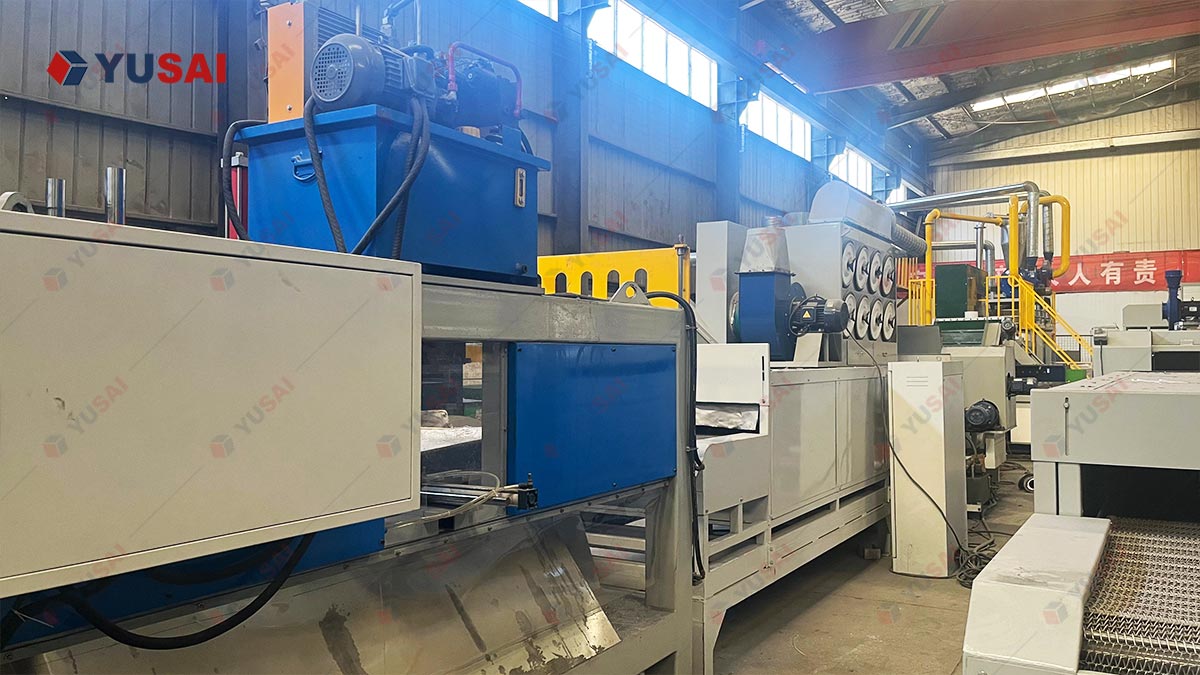
In the scientific research field, Chinese scientists published a new process for recycling silicon solar panels using salt etching in the journal *Nature Sustainability* in 2024. This method can achieve recovery rates of up to 99.0% for silver and 98.0% for silicon without using toxic mineral acids. Besides dismantling and recycling, secondary utilization is also an important application direction. For example, through surface treatment technology, old modules can be integrated into buildings and landscapes while retaining their power generation function.
Regarding closed-loop material utilization, in 2024, we successfully manufactured the world’s first fully recyclable photovoltaic module using materials recovered from dismantled waste photovoltaic modules, achieving a conversion efficiency of 20.7%. In March 2026, six departments, including the Ministry of Industry and Information Technology, jointly issued the “Guiding Opinions on Promoting the Comprehensive Utilization of Photovoltaic Modules,” which clearly requires breakthroughs in key technologies such as component extraction by 2027 and encourages improvements in the recycling purity and utilization rate of key materials such as silver, copper, and silicon. The “Guiding Opinions” further clarifies that priority should be given to extracting metallic elements such as silver, copper, lead, and tin, and that silicon should be utilized in a graded and differentiated manner. It also promotes the application of recycled materials in key areas such as non-ferrous metals, building materials, and chemicals.