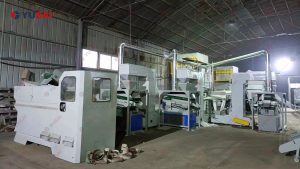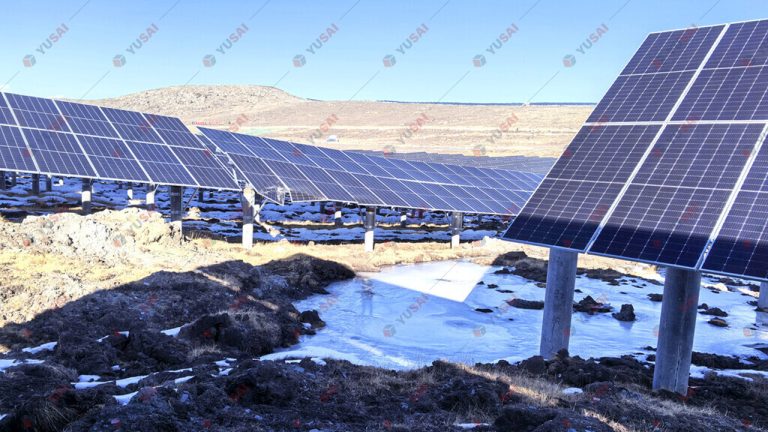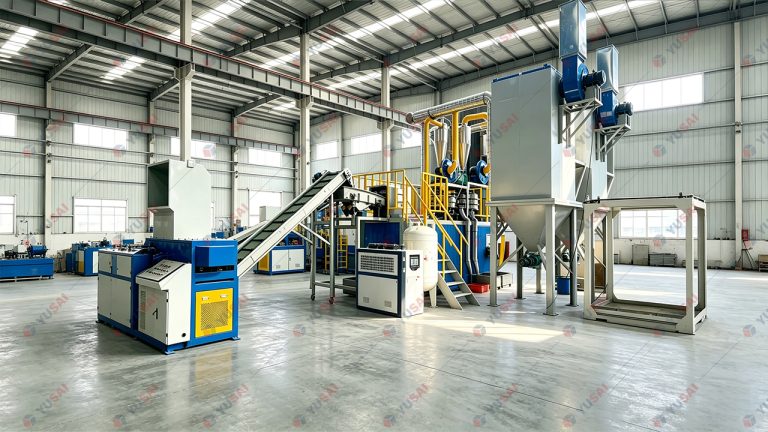
A PV panel recycling line is an integrated system combining mechanical, physical and automatic control technologies. Through pretreatment, delamination, crushing and sorting procedures, it efficiently separates different materials from end-of-life photovoltaic modules. Its core value is to recover high-value resources including glass, aluminum, silicon and silver, unlocking the potential of “urban mines”. When selecting a recycling line, you need to match the processing capacity, investment budget and technical route (physical, pyrolysis or chemical method), while ensuring full compliance with global environmental regulations.
Recycling Targets & Process Flow
PV modules are laminated composite structures made of tempered glass, EVA encapsulant film, solar cells, backsheet, aluminum frame, copper wires and junction boxes. This multi-layer bonded construction requires professional dismantling workflows.
A complete PV recycling line consists of three core stages:
- Pretreatment & Frame Removal Junction boxes and cables are removed manually or automatically. A dedicated frame remover separates the aluminum frame from the PV laminate. The recovered aluminum frame has high purity and can be directly reused as recycled aluminum after simple treatment.
- Laminate Delamination (Core Technical Stage) Glass, EVA adhesive and solar cells are tightly bonded by high-temperature lamination. Delamination equipment adopts pyrolysis, mechanical peeling or chemical dissolution to break the adhesive layer, achieving clean separation of glass, solar cells and backsheet. Precise control of temperature and retention time is critical.
- Crushing & Precision Sorting Separated materials go into crushing units for size reduction. A series of sorting machines, including air separators, electrostatic separators, eddy current separators and optical sorters, classify mixed materials based on differences in density, electrical conductivity and magnetism. Glass, metals, silicon powder and plastics are separated and purified individually.
Main Technical Routes & Key Equipment
Three mainstream technologies are widely used for PV module dismantling: mechanical (physical crushing), pyrolysis (thermal decomposition of EVA) and chemical method (solvent dissolution). Hybrid combined processes are commonly adopted in commercial projects to improve efficiency and material purity.
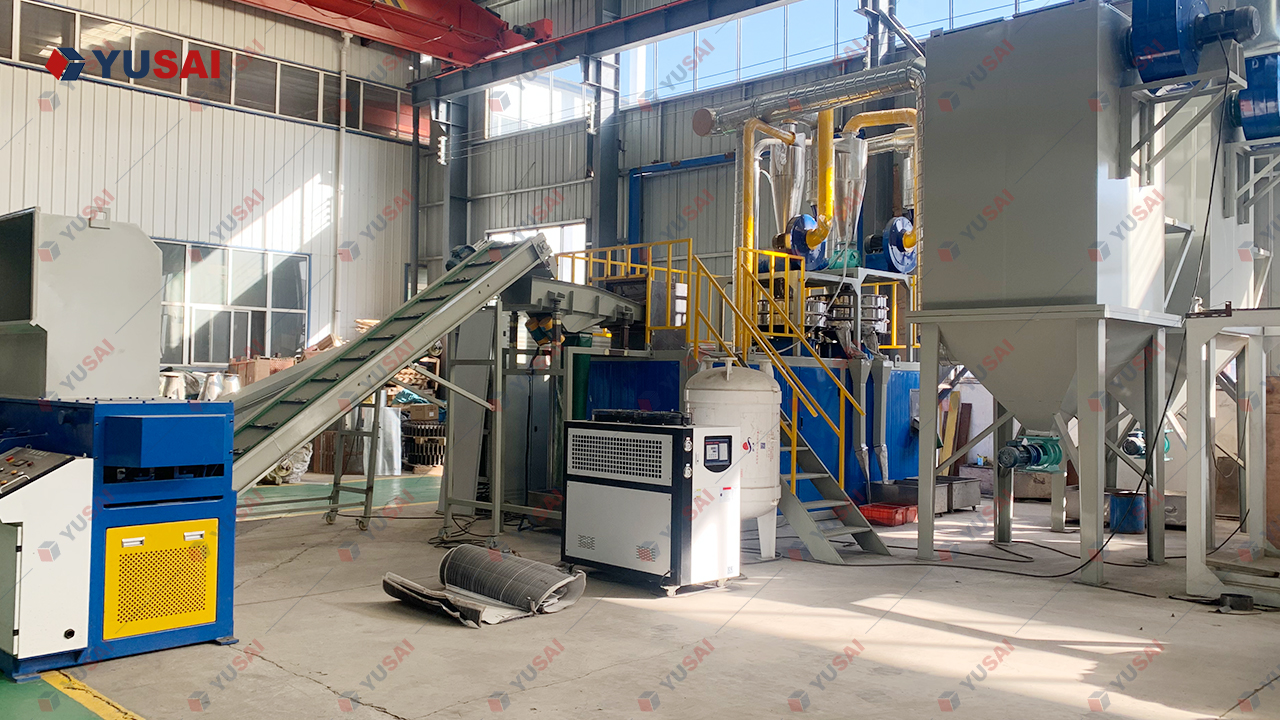
The full recycling line includes the following core equipment packages:
- Frame dismantling unit: Automatic stripping of aluminum alloy frames
- Laminate separation unit: Controlled heating or mechanical peeling for interlayer separation
- Crushing & sorting system: Crushers and multi-type precision sorters. Material purity above 96% can greatly raise the commercial value of recycled materials
- Environmental auxiliary system: Dust collection and waste gas treatment units to guarantee emission compliance
Production Line Options & Investment Reference
The selection of line configuration depends mainly on your daily throughput and capital budget.
- Semi-automatic dismantling line Pure physical dismantling, low investment from $8,000 to $15,000. Easy operation and low environmental assessment pressure. It mainly handles single-glass modules with limited capacity, suitable for small-scale projects below 50 modules per day.
- Fully automatic dismantling line High automation level and low labor dependency.
- Medium line: 50–300 modules per day, output of 25–30 pieces/hour, investment from $30,000 to $80,000
- Large tonnage turnkey line: Over 300 modules per day or 10,000 tons annually, capacity up to 500–2000 pieces/hour, investment from $300,000 to $800,000 Large-scale operation reduces unit processing cost and lifts overall material recovery rate.
Recovered Materials & Economic Benefits
For standard crystalline silicon PV modules, material mass distribution: glass ~70%, aluminum frame ~18%, silicon 3%–5%, plus silver and copper contained in solar cells.
Recovery purity directly determines project profitability. A 10% difference in recovery rate may create hundreds of thousands of dollars of revenue gap when processing 10,000 tons of modules. Therefore, technical priorities focus on intact glass recovery and low-energy extraction of silicon and silver.
Key Factors for Project Planning & Operation
- Technology Matching Confirm whether your feedstock is single-glass or double-glass PV modules. Different technical routes vary greatly in equipment demand, energy consumption and environmental approval requirements. Pyrolysis lines with heating systems face stricter environmental audits.
- Economic Evaluation Recovery rate is the lifeline of your project. Calculate the balance among processing capacity, equipment depreciation, operating cost and recycled material revenue. Capacity expansion usually triggers sharp jumps in equipment investment, so stable waste module supply is essential.
- Environmental Compliance Comply with PV waste pollution control standards. Equip the plant with high-efficiency dust and waste gas treatment systems. Safely dispose backsheet and other hazardous fractions to prevent secondary pollution from heavy metals and fluorides. Violent dismantling is prohibited.
- Supply Chain & Market Risk Secure consistent supply of end-of-life PV panels. Monitor price volatility of recycled silicon, silver and other commodities that directly affect project profit margins.
Industry Trend & Outlook
PV panel recycling forms a vital closed loop for the whole solar industry. Project owners need to track EPR (Extended Producer Responsibility) policies and local waste PV regulations. As new cell technologies such as HJT and perovskite develop, dismantling technologies will keep upgrading toward intelligence and fine separation, adapting to new material systems and continuously boosting resource recovery value.