Introduction
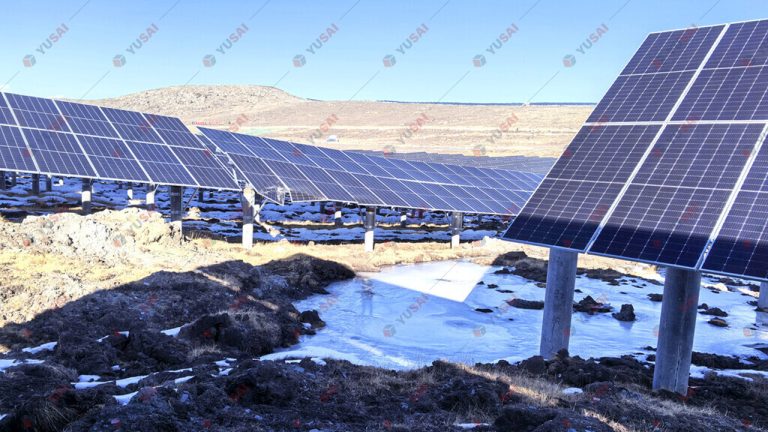
Driven by global carbon‑neutrality goals, solar photovoltaic power has achieved explosive growth over the past two decades. Massive quantities of PV modules have been deployed across utility‑scale solar farms, commercial rooftops and residential distributed systems. A typical solar panel features a service life of 25‑30 years, which means a huge volume of end‑of‑life (EOL) photovoltaic waste will emerge globally in the coming decade.
Without standardized recycling infrastructure, decommissioned solar panels will be sent to landfills or informal dumping sites. Hazardous substances including lead, cadmium and arsenic inside damaged modules may leach into soil and groundwater and cause severe ecological risks. Meanwhile, solar panels contain abundant high‑value recyclable resources: tempered glass, aluminum frames, copper, silicon powder, silver paste and other critical metals. Efficient PV recycling recovers these raw materials, builds a closed‑loop circular supply chain, relieves pressure on virgin mineral mining and cuts carbon footprint across the whole photovoltaic industry.
Solar panel recycling is no longer merely an environmental compliance requirement. It has developed into a high‑potential industrial track balancing environmental benefits, resource value and commercial returns. Complete industrial‑grade solar panel recycling production lines cover mechanical crushing‑separation, hydrometallurgical precious‑metal refining and supporting waste‑gas treatment systems to handle end‑of‑life photovoltaic modules.
Main Composition & Recoverable Materials of Waste PV Modules
Crystalline‑silicon solar panels adopt multi‑layer composite structures, and most components can be recovered through proper industrial processing:
- Aluminum frame: Structural metal with high recycling and re‑utilization value.
- Tempered front glass: Accounts for over 70 % of panel weight and can be processed into regenerated glass particles.
- Junction box & copper ribbon: Important source of recyclable copper for metal smelting.
- Silicon cells & silver paste: Core high‑value fractions containing silicon, silver and trace rare metals.
- EVA encapsulant & back‑sheet: Polymer materials available for energy recovery or secondary granulation.
Well‑designed industrial recycling lines can reach glass recovery rate ≥95 %, metal recovery rate ≥99 %. High‑purity aluminum, copper, silicon powder and silver products can be separated and supplied to downstream raw‑material markets.
Mainstream PV Recycling Technical Routes
Currently, industrial solar panel recycling technologies are mainly divided into three categories: mechanical physical separation, pyrolysis thermal treatment, and hydrometallurgical wet‑extraction. Most large‑scale projects adopt combined process routes to balance processing capacity, recovery purity and environmental performance.
1. Mechanical Physical Pre‑treatment
It acts as the front‑end core section of full recycling lines. Typical workflow includes:
- Automatic disassembly for removing aluminum frames and junction boxes;
- Multi‑stage crushing, vibration screening and air separation;
- Magnetic separation, gravity sorting and optical‑vision intelligent classification for separating glass fragments, metal particles and polymer waste.
Physical processing delivers large hourly throughput with low chemical consumption and stable continuous operation. It is widely used for mass pre‑processing of mixed waste solar panels.
2. Pyrolysis (Thermal Treatment)
High‑temperature pyrolysis decomposes EVA adhesive layers to separate glass and silicon‑cell fragments and remove organic encapsulation materials. Strict flue‑gas purification systems must be equipped to prevent secondary air pollution.
3. Hydrometallurgical Precious‑Metal Refining
After physical pre‑separation, silicon‑cell powder loaded with silver, copper and other precious metals goes into hydrometallurgical refining units. High‑purity silver ingots, copper ingots and silicon powder are obtained via selective leaching, filtration, purification and electrolytic refining. This procedure unlocks major economic value from waste solar panels.
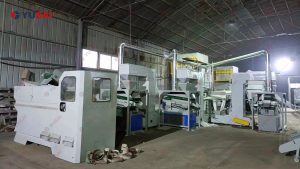
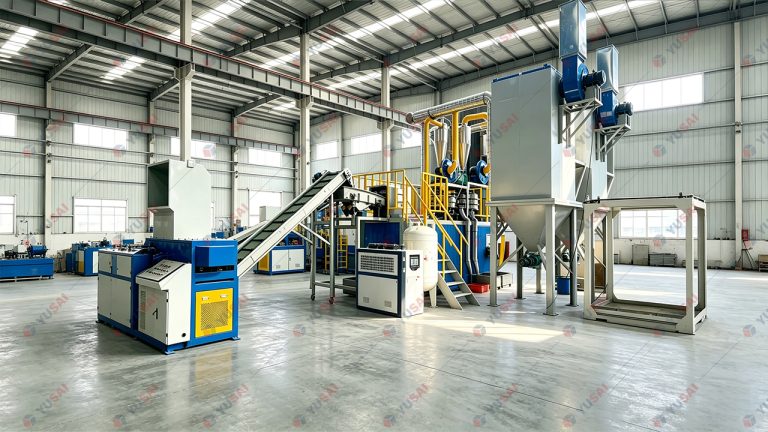
A complete solar panel recycling production line integrates automated pre‑disassembly, crushing‑sorting station, pyrolysis device, hydrometallurgical refining equipment and supporting NOₓ waste‑gas treatment facilities. It realizes full‑chain processing from raw waste panels to finished regenerated metal products.
Global Market Opportunities & Industry Challenges
Market Opportunities
- Policy‑driven mandatory recycling demand: Regions such as the EU have issued clear regulations requiring mandatory end‑of‑life disposal for photovoltaic modules. Multiple countries are rolling out Extended Producer Responsibility (EPR) rules for solar waste, generating rigid market demand for professional recycling plants.
- Growing volume of retired PV panels: Cumulative decommissioned solar‑panel volumes keep increasing year on year. Building local recycling factories avoids high cross‑regional transportation costs of bulky waste panels.
- Critical‑mineral supply security: Recycled silicon, silver and aluminum sourced from solar waste supplement raw‑material supplies for the new‑energy industry and reduce dependence on mineral exploitation. Recycled materials create stable revenue streams for recycling operators.
Key Industry Challenges
- Complex material structures: Mono‑crystalline, poly‑crystalline and thin‑film modules of different generations require adjusted processing parameters. Mixed incoming waste increases sorting complexity.
- Trade‑off between recovery rate and operational cost: Many small‑scale solutions suffer from low metal‑extraction purity and high energy consumption.
- Strict environmental compliance pressure: Improper handling may release heavy‑metal pollutants and toxic exhaust gas. Complete waste‑water and waste‑gas treatment systems are essential for legal and sustainable production.
Industrial‑Grade Solar Panel Recycling Plant Solution
Modular and customizable recycling systems fit both small‑capacity pilot workshops and large‑tonnage industrial‑scale factories. Project owners may select physical crushing‑sorting units only, or expand to full hydrometallurgical precious‑metal refining sections according to project budgets and target output.
Core Solution Advantages
✅ High material‑recovery efficiency: Optimized crushing‑sorting structure combined with mature electrolytic refining technology guarantees high‑purity output of glass particles, aluminum, copper and silver. ✅ Complete environmental protection configuration: Closed dust‑collection system and supporting waste‑gas treatment equipment are configured to satisfy local emission standards. ✅ Flexible modular layout: Equipment combination can be adjusted according to waste composition, hourly capacity and local regulatory requirements. ✅ Full‑project technical support: Covering process scheme design, equipment layout guidance, manufacturing, installation‑commissioning and long‑term technical after‑sales services. ✅ Adaptable for global deployments: Process and equipment design adapt to diverse international regulatory requirements for solid waste and precious‑metal recovery.
Target Users for Solar Panel Recycling Production Lines
‑ Investors establishing dedicated photovoltaic‑waste recycling factories ‑ Existing solid‑waste & e‑waste recycling enterprises expanding new‑energy waste processing capacity ‑ Large solar‑farm operators managing self‑owned decommissioned PV assets ‑ Environmental engineering companies and resource‑recovery groups seeking complete PV‑recycling technical‑equipment partners
Outlook
Solar‑panel recycling constitutes a vital link within the photovoltaic circular economy. As international and national standards keep improving, high‑efficiency, low‑emission industrial recycling technology will gain global mainstream adoption.
Continuous optimization on PV‑recycling process flows and equipment performance will further improve material recovery rates and cut operational costs, promoting the long‑term sustainable development of the whole photovoltaic industry.