Introduction
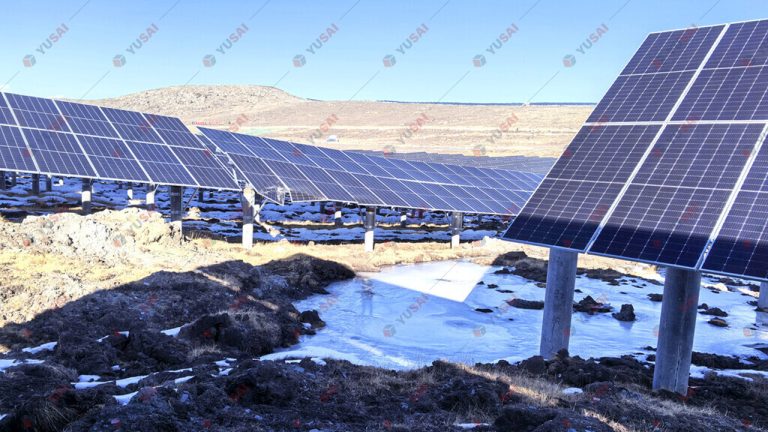
Driven by global carbon‑neutrality targets, photovoltaic power generation has expanded rapidly worldwide. According to IEA statistics, global cumulative PV installed capacity exceeded 942 GW in 2021, while China alone reached 308 GW of grid‑connected PV capacity, ranking first globally in both new additions and total installations.
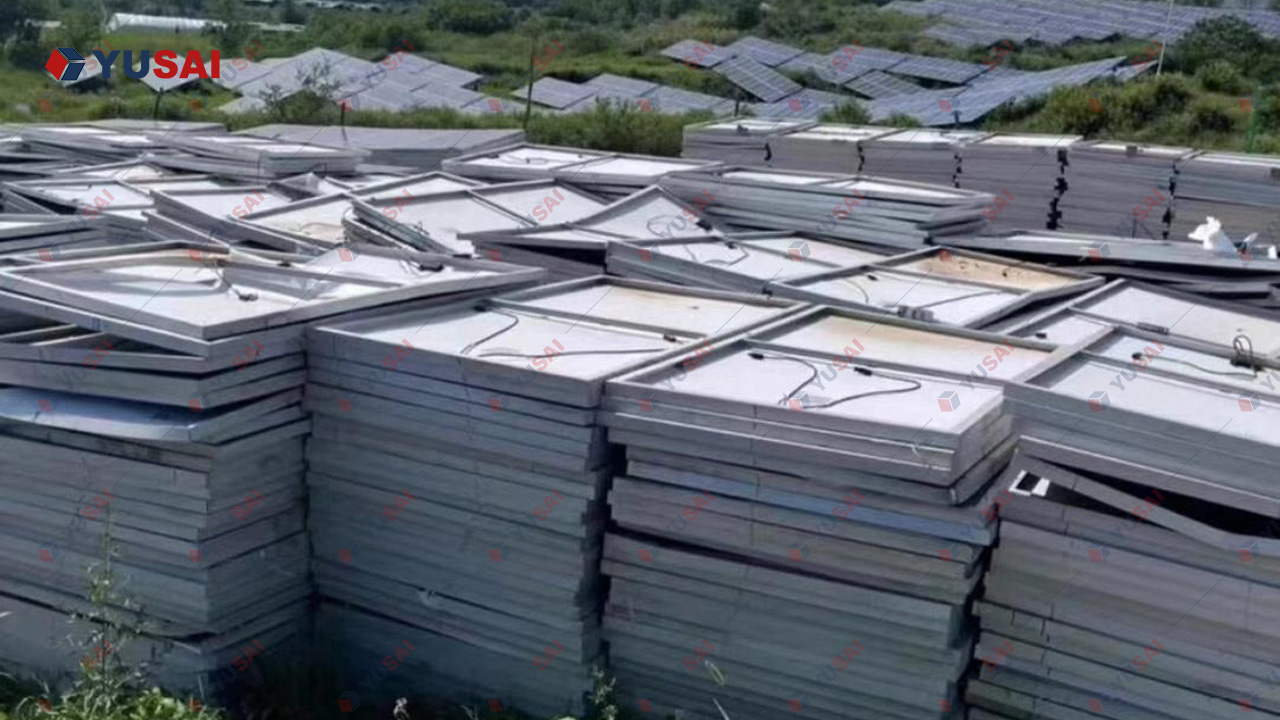
PV modules generally have a service lifespan of 20‑25 years. As early‑deployed solar facilities reach retirement age, massive volumes of decommissioned photovoltaic waste are emerging as a critical global challenge. IRENA forecasts that China’s retired PV waste will hit 1.5 million tonnes by 2030, rise to roughly 7 million tonnes by 2040, and surpass 20 million tonnes by 2050. Without proper treatment, crystalline‑silicon panels release lead, tin and other toxic heavy metals; thin‑film cadmium‑telluride modules may leach cadmium, threatening soil and groundwater safety.
On the other hand, retired PV panels represent high‑value urban mines. More than 90 % of materials in crystalline‑silicon modules consist of glass, steel, aluminium, silicon and other recyclable substances, plus precious metals such as silver. Full‑scale recycling of one tonne of waste PV modules can cut carbon emissions by approximately 5.41 tons of CO₂, bringing combined environmental, resource‑security and economic benefits for the circular‑energy economy. Realising this potential depends heavily on sound policy frameworks, proven international experience, and reliable industrial‑grade recycling equipment.
International Practices for Decommissioned PV Module Management
Countries across Europe, North America and Asia have rolled out regulations, organisational mechanisms and innovative technical pathways to tackle PV waste.
European Union: Mandatory Recycling Targets & Collective Recovery System
The EU incorporated photovoltaic modules into the WEEE (Waste Electrical and Electronic Equipment) Directive in 2012, imposing legal obligations on manufacturers, distributors and installers. Starting August 2018, the regulation enforces an 85 % collection‑recovery rate and 80 % material‑reuse rate for end‑of‑life PV panels.
PV CYCLE, a well‑known European non‑profit PV recycling organisation, operates a membership‑based take‑back network covering over 90 % of the European market with hundreds of collection sites. Manufacturers pay membership and processing fees proportional to their market share; PV CYCLE then undertakes logistics, collection and treatment to help producers fulfil extended‑producer‑responsibility (EPR) requirements. By 2021, PV CYCLE had processed more than 60 000 tons of retired crystalline‑silicon PV modules.
United States: Third‑Party Independent Recycling Fund Model
First Solar adopted a stewardship‑fund mechanism for its thin‑film PV products. A percentage of sales revenue is channelled into an independently managed third‑party recycling fund, decoupling take‑back operations from the manufacturer’s business risks. At end‑of‑life, customers trigger free collection and processing services. Over 90 % of semiconductor materials from returned panels are recovered and fed back into new‑cell production, forming a closed‑loop material cycle for cadmium‑telluride resources.
Japan: Blockchain‑Enabled Traceable PV Recycling
Japanese enterprises combined digital innovation with physical recycling workflows. Next Energy & Resources, Marubeni and Mitsubishi Research Institute built a blockchain‑based information platform for retired PV modules. Every stage in the panel lifecycle is recorded immutably on‑chain. All stakeholders can verify authenticity of usage, decommissioning and processing data, improving transparency and boosting second‑life reuse of PV components.
South Korea: Low‑Cost Thermal‑Chemical Recovery for Intact Solar Cells
Korea Institute of Energy Research (KIER) developed a cost‑effective process for waste crystalline‑silicon PV modules. Panels are heated to 500‑550 °C to thermally decompose the EVA adhesive layer and separate glass from solar cells; subsequent acid pickling recovers complete silicon cells, copper and silver‑rich metal solutions. Recovered silicon ingots can be remanufactured into solar cells achieving 20.05 % conversion efficiency. The technology has been licensed to HST Co., Ltd for full‑scale commercial deployment.
Core Insights from Global Experience
Cross‑border case studies deliver three clear take‑aways for PV‑waste industrialisation:
- Policy & responsibility mechanism: Extended Producer Responsibility (EPR) forms the institutional foundation. Clear legal recycling targets force the whole supply chain to participate in collection and treatment.
- Technology diversification: Mechanical dismantling, thermal pyrolysis, thermal‑chemical delamination and digital traceability each fit different feedstock and budget scenarios. No single technology solves every market requirement.
- Industrial‑scale equipment is the bottleneck: Advanced lab‑scale methods cannot realise mass‑volume value extraction without stable, automated, low‑pollution industrial processing lines.
Our Equipment Solutions for Global PV‑Recycling Projects
As a professional manufacturer specialising in complete‑set waste solar‑panel recycling equipment, we learn from international technical routes and provide turn‑key processing lines for recyclers, waste‑management firms, EPC contractors and solar asset operators worldwide.
Our product portfolio covers flexible configurations for different capacity demands:
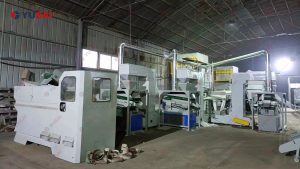
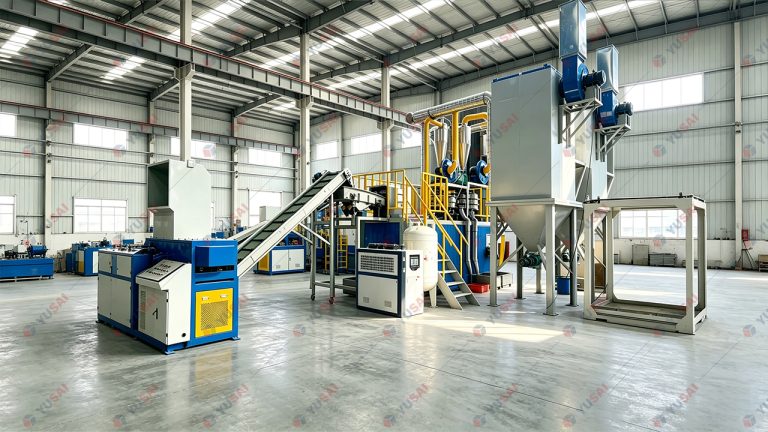
- Mechanical physical recycling lines: Shredding, crushing, air classification, electrostatic separation, magnetic sorting. Suitable for medium‑small‑scale projects; low chemical risk, stable continuous running, recovers glass, aluminium frames, copper, silicon powder.
- Pyrolysis‑assisted PV recycling systems: Controlled‑temperature thermal decomposition removes EVA encapsulant, liberating intact cells for high‑purity silicon and precious‑metal extraction. Complete tail‑gas treatment avoids secondary air pollution.
- Modular customisable layouts: We offer standalone frame‑removal machines, compact skid‑mounted pilot‑scale units, and large‑tonnage continuous production plants. Capacity can be tailored from several hundred kg/h to multiple tons per hour according to client feedstock conditions and local regulatory standards.
Key strengths of our recycling equipment:
✅ High comprehensive material‑recovery rate for glass, aluminium, silicon, copper and silver
✅ Automated PLC control, reducing manual labour cost
✅ Built‑in dust‑removal and exhaust‑treatment modules to meet international environmental norms
✅ Adaptable to both crystalline‑silicon panels and mixed incoming waste modules
✅ Support for project consulting, process design, on‑site installation guidance and after‑sales technical service
Outlook: Build a Circular PV Future Together
The wave of decommissioned solar panels is arriving across every continent. National authorities are rolling out stricter EPR rules and waste‑management standards, driving growing market demand for compliant, high‑efficiency PV‑recycling infrastructure.
International lessons show that successful PV circular economy needs policy support, digital traceability innovation and, most importantly, reliable industrial‑grade recycling hardware. Whether you are planning a new recycling facility or upgrading existing waste‑treatment capacity, choosing suitable processing equipment defines your project’s profitability and compliance performance.
If you are seeking proven waste solar‑panel recycling solutions, welcome to contact our engineering team. We can evaluate your local feedstock, regulatory requirements and budget, and deliver custom‑tailored PV‑recycling‑plant proposals.