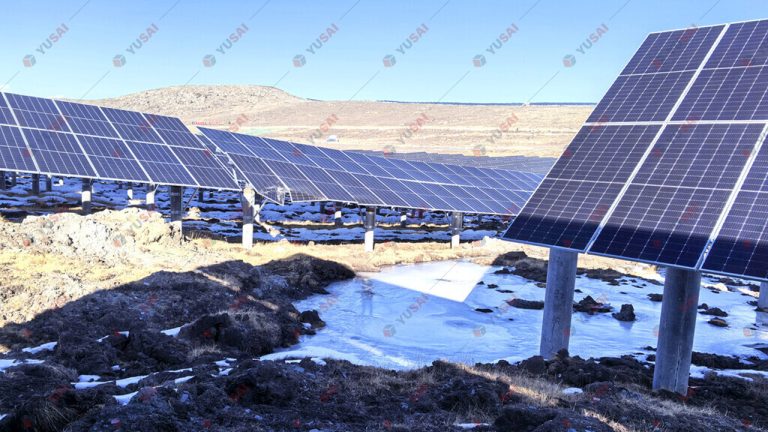
Driven by the booming global photovoltaic industry, massive early-installed PV modules have reached their 25-year service life, triggering a large-scale global decommissioning wave. The traditional manual disassembly and simple scrap sales model can no longer meet modern demands for environmental compliance, high resource utilization and large-scale industrial disposal. Professional PV recycling production lines have become the core equipment for standardized, intelligent and eco-friendly solar waste recycling.
This guide summarizes mainstream industry technologies, practical project data and compliance standards, focusing on the core advantages, process principles, application scenarios and investment value of standardized PV recycling equipment. It serves as an authoritative reference for global PV recyclers, power station operators, solid waste processing enterprises and equipment purchasers.
1. Applicable Recycling Materials
Our full-set PV recycling production lines cover all mainstream solar waste categories, realizing one-stop refined disposal for four types of materials:
1.1 End-of-Life PV Modules: Aged, inefficient and faulty modules decommissioned from utility-scale power stations, industrial & commercial rooftops and residential PV systems, the largest source of PV recycling stock.
1.2 Production Waste & Defects: Unqualified modules, edge offcuts and semi-finished waste generated in PV manufacturing, with no outdoor aging pollution and high recycling value.
1.3 Overstocked Unused Modules: Brand-new or nearly new overstocked panels from PV traders and engineering projects, available for secondary sales or material purification and reuse.
1.4 PV Auxiliary Waste: Demolished aluminum frames, waste cables, broken module fragments, faulty junction boxes and scrapped backsheets from PV renovation and demolition projects.
2. Core Process & Equipment Composition
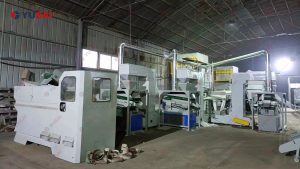
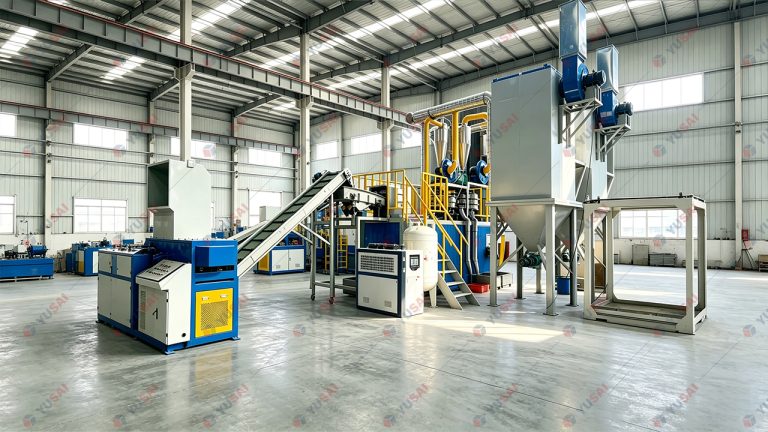
Standard PV recycling production lines adopt a fully automatic dry physical separation process, eliminating pollution caused by chemical soaking and open burning. The whole process is environmentally friendly and compliant, with core functional units as follows:
2.1 Pre-treatment Unit: Automatically removes aluminum frames, junction boxes and sealants with non-destructive operation, avoiding material loss and laying a foundation for high-precision sorting.
2.2 Intelligent Crushing Unit: Specialized shredders and crushers break laminated PV modules into uniform particles, completely separating EVA film, silicon wafers, glass and backsheets without over-crushing waste.
2.3 Multi-stage Sorting Unit: Integrates air classification, magnetic separation, electrostatic and gravity separation systems. It accurately separates glass, silicon, aluminum, copper, silver and plastic, achieving high recovery rates: Glass ≥95%, Silicon ≥98%, Aluminum ≥99%, Precious Metals ≥95%.
2.4 Environmental Protection Unit: Fully enclosed dust removal and waste gas purification system realizes zero wastewater discharge and low emission, meeting global environmental audit standards.
2.5 PLC Intelligent Control System: Supports one-click operation, intelligent speed regulation, data statistics and fault early warning, reducing labor costs and realizing standardized mass production.
3. Core Compliance & Safety Advantages
With tightening global environmental supervision, informal manual workshops are gradually phased out. Standard automated production lines have become the essential foundation for compliant operation:
3.1 Eco-friendly & Risk-Free Disposal: Pure physical separation requires no chemical additives, completely avoiding heavy metal diffusion, dust pollution and illegal emissions.
3.2 Full Process Traceability: Automatic data recording for material warehousing, processing and output supports formal environmental disposal certificates, meeting customer compliance audit and financial write-off needs.
3.3 Safe Standardized Operation: Mechanical enclosed operation replaces high-risk manual work, effectively preventing scratches, dust explosions and site safety hazards.
4. Scenario-Based Customized Solutions
We provide modular and customizable production lines to match different project scales:
4.1 Large Utility-Scale Projects: Full-automatic fixed production lines with large daily output, suitable for centralized processing of tens of thousands of decommissioned modules, reducing unit processing costs.
4.2 Industrial & Commercial Rooftop Projects: Medium and small modular equipment with small footprint and fast commissioning, adapting to PV replacement cycles without affecting factory daily operation.
4.3 Decentralized Household PV Projects: Mobile small-scale recycling units with flexible mobility and fast response, solving the problems of scattered distribution and high transportation costs.
5. Full-Material Resource Utilization Value
Different from traditional low-value simple disassembly, our standardized recycling lines maximize the residual value of PV waste and realize circular economy:
Glass (70% of total weight): Purified high-purity glass can be reused in architectural and industrial glass production.
Aluminum Materials: Separated high-purity aluminum scraps and frames are smelted into recycled industrial aluminum profiles.
Silicon Materials: High-purity recycled silicon can be used for new PV module manufacturing, greatly reducing raw material costs.
Precious Metals & Accessories: Separated copper, silver and plastic materials are recycled in batches, improving overall project profit margins.
6. Common Industry Misconceptions
Myth 1: Single dismantling equipment is enough. Independent crushing or frame-removal equipment cannot achieve refined sorting, resulting in low recovery rates and non-compliant operation. Only complete systematic lines support profitable and legal recycling.
Myth 2: Higher capacity equals higher cost performance. Equipment matching with project scale is critical. Blind pursuit of high capacity causes waste of site, energy and capital for small and medium projects.
Myth 3: Waste PV modules are hazardous waste. Conventional decommissioned PV panels are general industrial solid waste. Standard dry physical lines fully meet disposal requirements without high-cost hazardous waste processing equipment.
Myth 4: Low-cost simple equipment is cost-effective. Low-end equipment features low sorting accuracy, serious pollution and high material loss, bringing long-term operational and compliance risks.
7. Industry Trends & Investment Value
The global PV recycling industry is upgrading from extensive operation to standardized, intelligent and green industrialization. Strict environmental traceability and high resource utilization will become mandatory industry thresholds, eliminating backward small workshops.
PV recycling equipment is evolving toward modularization, intelligence, low energy consumption and mobility. As the global PV decommissioning scale expands year by year, standardized recycling lines help investors seize high-margin opportunities in the circular economy market via high-efficiency, low-cost and full-scenario operational advantages.
8. Company & Service Advantages
Henan YuSai Precision Machinery Co., Ltd. is a professional original manufacturer dedicated to the R&D, production and customization of PV recycling production line equipment. We provide one-stop turnkey solutions with no middleman markup:
8.1 Customized Equipment Solutions: Tailored large, medium and small modular production lines based on customer site conditions, processing capacity and application scenarios.
8.2 Global Compliance Technology: All equipment complies with international PV resource utilization and environmental standards, helping customers pass qualification audits efficiently.
8.3 High Cost Performance & Fast ROI: High recovery rate, low energy consumption and low failure rate maximize waste residual value and accelerate cost recovery.
8.4 Full Lifecycle After-Sales Service: Provides factory layout planning, equipment installation & commissioning, technical training, lifelong maintenance and technical upgrade services.