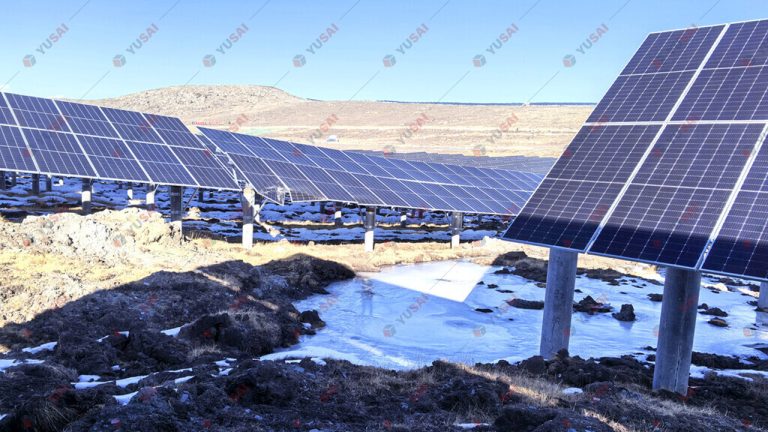
As global photovoltaic installations keep setting new records, solar energy drives the clean‑energy transition worldwide. Yet one critical challenge follows fast‑growing solar capacity: massive volumes of photovoltaic panels will reach their end‑of‑life after their typical 25‑year service span. Industry forecasts indicate that large‑scale PV‑panel retirement will arrive around 2025, with total waste PV materials projected to hit 20 million tons by 2050 across China alone.
A crystalline‑silicon PV panel is a composite of multiple valuable materials: roughly 70% glass, 10% aluminium frame, 10% encapsulant polymer, 5% silicon wafer, plus small fractions of silver, gallium, indium and other rare metals. These components represent huge recoverable resource value. However, waste PV panels also contain hazardous substances such as lead and cadmium. Improper disposal may release toxic heavy metals into soil and water, creating serious environmental risks. Effective recycling is therefore essential both for resource circularity and environmental protection.
Drawbacks of Conventional PV‑Recycling Technologies
Global researchers have developed multiple pre‑treatment routes for retired PV modules, including thermal decomposition, mechanical crushing, chemical leaching and vacuum distillation. Each mainstream method carries clear limitations:
- Thermal decomposition: works only for relatively thick solar cells (≥ 400 μm). Early European commercial recycling plants adopted combustion‑type thermal delamination to burn off adhesive layers between glass and backsheet. This process consumes large amounts of energy, generates carbon footprints, and causes cross‑contamination among separated materials. Recycled glass can only be used for low‑grade applications such as floor paving instead of high‑end PV‑grade products.
- Mechanical treatment: faces unstable recovered‑material purity, high power consumption and large‑footprint workshop requirements.
- Chemical‑leaching & solvent‑washing methods: demand complex pre‑dismantling workflows and produce large volumes of polluting waste liquid, bringing heavy wastewater‑treatment burdens. Japanese chemical‑cleaning recycling lines, for instance, suffer high secondary‑pollution risks.
Since 2006, enterprises in the United States, Germany and other developed economies have rolled out industrial‑scale PV‑recycling projects. The European Union has issued serial regulatory documents including the Waste Framework Directive and updated WEEE directives to bring solar panels under waste‑electronics governance. Even so, most existing industrial facilities only achieve around 95% material split, rather than true full‑material circular reuse. In many Asian markets, PV‑waste management remains at the technical‑exploration stage with incomplete supporting regulations.
Breakthrough: Zero‑Pollution Physical‑Based 100% PV‑Panel Recycling
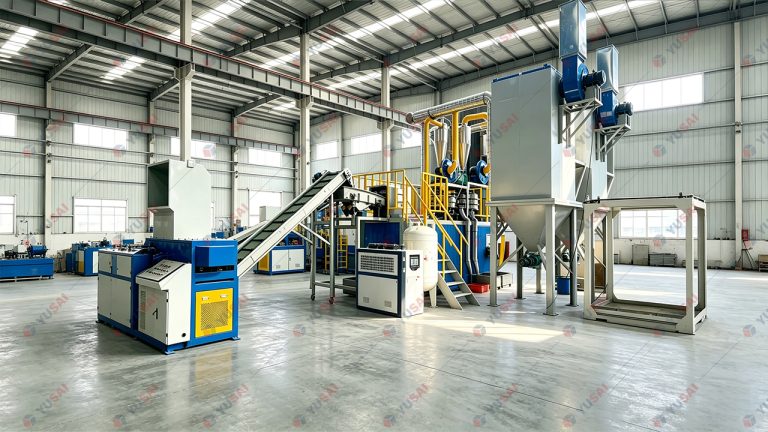
A university‑industry R&D team has developed an innovative fully‑physical recycling solution for waste photovoltaic panels, delivering low‑cost, zero‑pollution and 100% material‑recycling performance. The technology uses mild, low‑grade heating to weaken interfacial affinity between glass, encapsulant and backsheet, so multi‑layer PV laminates can be cleanly delaminated without burning or strong chemical solvents. Subsequent grinding and sorting separate every component without cross‑contamination of recovered streams.
Energy‑efficiency stands as a major advantage: processing one standard PV panel consumes merely 2.5 kWh electricity, far lower than the energy cost of European combustion‑based recycling processes. All separated materials retain high purity for high‑value re‑application:
- High‑transmittance glass (over 70% weight share) can be remanufactured into profiled glass, applied for PV building‑integrated facades or power‑generating sidewalk paving materials.
- Recovered silicon wafers are milled into silicon powder for thermal‑dissipation material production. Precious silver from cell electrodes is fully extracted and returned to precious‑metal supply chains.
- PVDF (polyvinylidene fluoride) from module backsheets can be processed into Teflon raw material.
- Aluminium frames, copper cables and other metallic fractions go directly to metal refineries for remelting and reproduction.
All recycled outputs qualify for manufacturing brand‑new photovoltaic panels and downstream industrial goods, completing a closed‑loop circular economy for solar‑panel materials. This solution was scheduled for commercial‑scale production‑line launch to handle large‑volume retired PV modules.
Outlook for the Global PV‑Recycling Industry
The solar industry cannot achieve genuine sustainability merely by expanding power‑generation capacity. End‑of‑life treatment must be embedded into the whole‑life‑cycle management of PV products. As waste‑panel tonnage surges globally, physical, low‑energy, zero‑cross‑contamination recycling technologies will become the preferred technical path for the worldwide photovoltaic sector.
Advanced full‑recovery technologies help lower raw‑material reliance for PV manufacturing, cut carbon emissions across the solar supply chain, and prevent toxic‑substance leakage. For solar‑product exporters, mature recycling capability also helps meet stricter overseas circular‑economy and waste‑management compliance requirements, enhancing product competitiveness in global markets.
Moving forward, the whole industry needs joint efforts: continuous technical optimization, standardized recycling workflows, improved policy frameworks, and collaboration across manufacturers, recyclers and end‑users, to build a fully circular solar economy.